Floor maintenance tips for cleaner, safer, longer-lasting surfaces
Quick answer for everyday floor care
Good floor maintenance comes down to three habits: remove dry soil before it scratches the surface, clean spills before they become stains or slip hazards, and use methods that suit the floor material. These floor maintenance tips apply to most homes, offices, retail areas and light commercial spaces, but the right routine still depends on the surface, traffic level, moisture exposure and manufacturer guidance. A polished concrete lobby, a wood hallway, a vinyl break room and a carpeted meeting room should not be maintained the same way.
The goal is not to clean more often than necessary. It is to clean at the right time with the right tool. A simple schedule, a clear product list and basic inspection records can reduce premature wear, improve appearance and help occupants move through the space more safely.
Match the maintenance method to the floor material
Most floor damage starts with a mismatch between the surface and the method. Too much water, the wrong chemical, abrasive pads or skipped dust removal can shorten the life of flooring even when the room looks clean at first glance. Before choosing a routine, identify the material and check any care instructions supplied by the flooring or finish manufacturer.
Hard tile and grout
Ceramic and porcelain tile are generally durable, but grout lines can hold soil and moisture. Sweep, dust mop or vacuum first so loose grit does not turn into abrasive slurry during mopping. Use a neutral or manufacturer-approved cleaner for routine work, rinse when required by the product label and avoid leaving dirty water in grout joints. For textured tile, a brush or auto-scrubber with the correct pad may clean more effectively than a flat mop alone.
Vinyl, rubber and other resilient flooring
Resilient floors are common because they are practical and comfortable underfoot, but they can be sensitive to harsh solvents, excessive alkalinity and aggressive pads. Daily dry soil removal matters because grit can dull the wear layer. Use neutral cleaners for routine cleaning unless the manufacturer specifies otherwise. If the floor has a finish or coating, maintain that finish as part of its own system rather than mixing incompatible products.
Wood and laminate
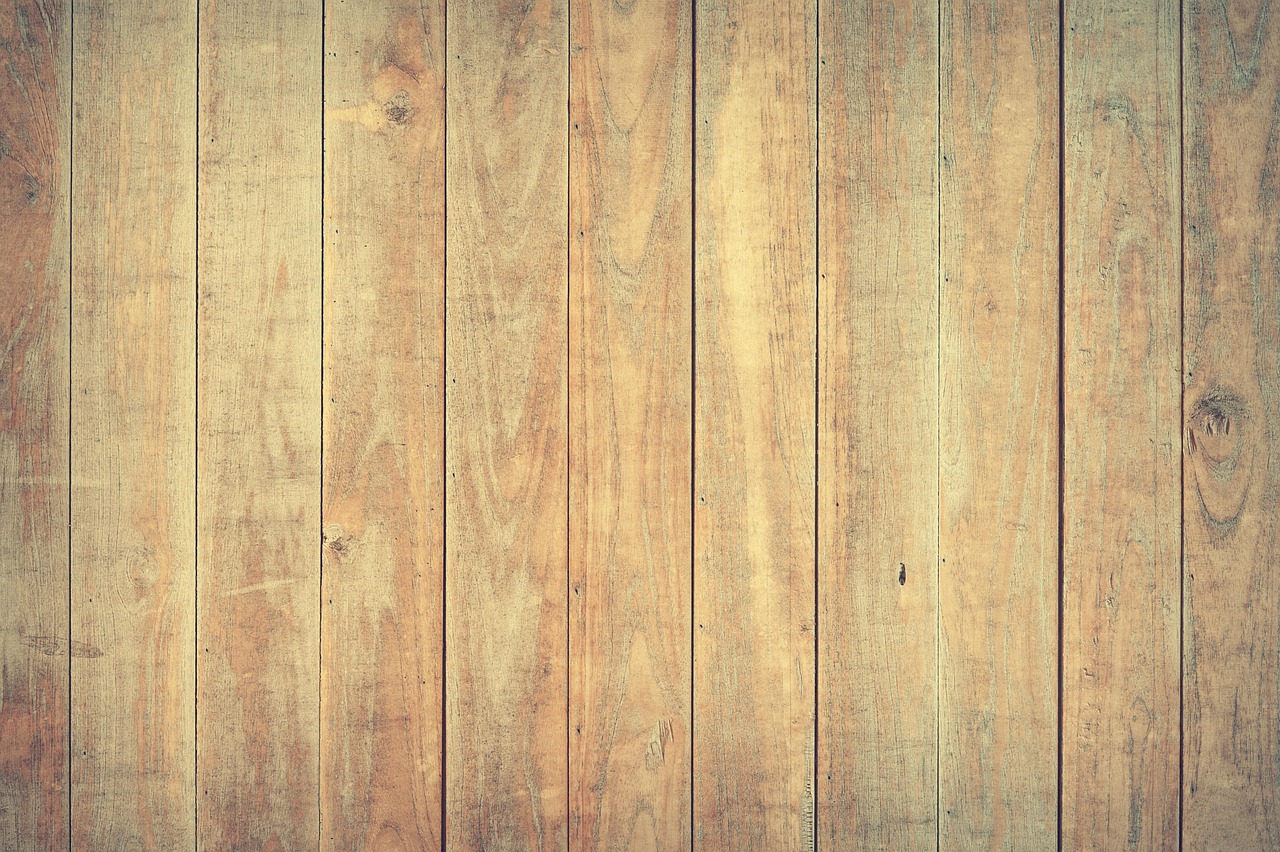
Wood and laminate floors need moisture control. Damp cleaning should be light, quick and compatible with the finish. Standing water, steam, soaking wet mops and strong alkaline products can cause swelling, haze or finish damage. Use mats at entrances, wipe spills quickly and lift furniture instead of dragging it. If the floor is real wood, periodic refinishing may be part of long-term maintenance. If it is laminate, replacing damaged planks may be the more realistic option.
Natural stone and concrete
Stone and concrete vary widely. Marble, limestone and some terrazzo surfaces can react poorly to acidic cleaners. Sealed concrete may need a very different method from unsealed concrete. The safest routine is to identify the surface, confirm whether it is sealed and use a pH-appropriate cleaner. When in doubt, test a small hidden area before applying a new chemical across a visible floor.
Carpet and entrance mats
Carpet maintenance is mostly soil management. Vacuuming removes abrasive particles before they settle deep into fibers. Spot cleaning should be prompt, but the method should match the stain and carpet type. Over-wetting can lead to odor, backing damage or slow drying. Entrance mats also need regular cleaning; a dirty mat stops capturing soil and can transfer grime back onto clean floors.
Build a practical floor maintenance schedule
A useful schedule separates routine cleaning, periodic maintenance and condition checks. High-traffic entrances, kitchens, restrooms and corridors may need attention several times a day, while low-use rooms may only need scheduled weekly service. The table below provides a starting point that can be adjusted after observing traffic, weather and soil levels.
| Frequency | Typical tasks | Why it matters |
|---|---|---|
| Daily or each shift | Remove dry soil, clean spills, empty walk-off mats, check wet areas and remove visible debris. | Prevents scratches, stains and slip risks before they spread through the building. |
| Weekly | Damp mop compatible hard floors, detail edges and corners, clean under movable furniture and inspect problem spots. | Stops soil buildup in areas that daily routes may miss. |
| Monthly | Review floor condition, check mat placement, inspect finish wear, evaluate recurring spills or tracked-in soil. | Finds patterns that may require better mats, different tools or a revised cleaning route. |
| Seasonal | Adjust for rain, snow, salt, sand, pollen or heavy visitor periods; schedule deeper cleaning when needed. | Weather and traffic changes can quickly overwhelm a normal routine. |
| As needed | Deep clean grout, extract carpet, recoat suitable finishes or repair damaged sections. | Targets problems without over-processing floors that do not need intensive work. |
For more upkeep ideas across connected devices, facilities and everyday maintenance, see the maintenance tips section.
Clean for safety, not just appearance
A floor can look acceptable and still be unsafe. Water near entrances, oil in work areas, dust on stairs, curled mat edges and loose debris can all create hazards. Public workplace safety guidance commonly emphasizes keeping walking surfaces clean, dry and orderly because floor condition affects how people move through a space.
Start by controlling what enters the building. A good entrance mat system captures moisture and grit before it reaches finished flooring. Mats should lie flat, have secure edges and be cleaned often enough to keep working. In wet weather, increase inspection frequency around doors, elevators, reception areas and restrooms.
Spill response should be simple and visible. Staff or occupants need to know who handles spills, where supplies are stored and when temporary warning signs are appropriate. Warning signs do not replace cleaning; they only reduce risk while the hazard is being addressed. After cleaning, remove signs once the floor is dry so people do not start ignoring them.
Also look for non-cleaning problems that affect floor safety. Poor lighting can make changes in level harder to see. Loose transitions, broken tiles, buckled planks and worn stair nosings need repair, not just cleaning. Floor maintenance should therefore include inspection notes, not only a checklist of completed cleaning tasks.
Choose tools and cleaners that protect the surface
Effective maintenance depends on chemistry, agitation, time and removal. If one part is wrong, the result may be streaking, residue, dullness or damage. Product labels and manufacturer guidance should come before habits carried over from another building or floor type.
- Use dry soil removal first. Sweeping, dust mopping or vacuuming before wet cleaning reduces abrasion and prevents muddy residue.
- Avoid overusing cleaner. More chemical does not automatically mean a cleaner floor. Too much product can leave a sticky film that attracts soil.
- Match pads and brushes to the surface. An aggressive pad may remove soil quickly but can scratch finishes or dull polished surfaces.
- Control water. Excess moisture can damage wood, laminate, seams, adhesives and some subfloors.
- Give products enough contact time. Disinfectants and specialty cleaners may require a specific dwell time, but they should still be compatible with the floor.
- Use clean tools. Dirty mop heads, clogged vacuums and worn squeegees spread soil instead of removing it.
Neutral cleaners are often preferred for routine hard-floor cleaning because they are less likely to attack finishes than strong acids or alkalis. However, neutral does not mean universal. Grease-heavy areas, mineral deposits and restoration work may need different products. Use targeted cleaners only when the surface and soil type justify them. See also: BUYING GUIDES.
Use smart hardware and records to improve consistency
Smart hardware can support better floor care when it solves a real maintenance problem. It does not replace correct cleaning methods, but it can make routines easier to track and adjust. In larger spaces, sensors, connected equipment and digital logs can help teams understand when and where attention is needed.
For example, occupancy sensors can show which areas receive the most traffic. Moisture alerts can help identify wet entry zones, leaks or restroom issues. Robotic scrubbers may provide consistent coverage in open areas when properly supervised and maintained. Digital checklists can record when spill checks, mat cleaning and floor inspections were completed.
The key is to treat data as a decision aid. If a sensor shows that one corridor is heavily used after lunch, the cleaning route can be adjusted. If inspection notes show recurring grit near one entrance, a better mat system may be more useful than extra mopping. If equipment logs show missed maintenance, the issue may be training, routing or supply access rather than worker effort.
For a smart hardware site, the maintenance lesson is straightforward: connected devices are most valuable when they improve timing, accountability and visibility. They are less useful when they create data that no one reviews or when they encourage the same cleaning method for every floor.
Common floor maintenance mistakes to avoid
Many floor problems are preventable. The following mistakes are common because they seem efficient in the short term but create more work later.
- Using one cleaner for every surface. A product that works on tile may be wrong for wood, stone or resilient flooring.
- Skipping entrance maintenance. If mats are saturated or dirty, soil spreads into the building faster.
- Mopping before removing grit. Wet grit can scratch and dull surfaces.
- Leaving residue behind. Sticky residue attracts more soil and can make the floor look dirty soon after cleaning.
- Ignoring edges and corners. Buildup often starts where machines and mops do not reach well.
- Over-wetting floors. Excess water can damage seams, finishes, wood fibers, adhesives and subfloors.
- Delaying small repairs. Cracked tiles, lifted transitions and loose boards can worsen under traffic.
- Failing to train users. Even a good schedule fails if people do not know the correct dilution, pad, mop or response process.
A practical way to improve is to audit one floor zone at a time. Watch how soil enters, where spills occur, which tools are used and how the floor looks several hours after cleaning. This creates a more useful plan than simply adding extra cleaning time across the whole building.
A simple floor care checklist
Use this checklist as a quick reference when setting up or revising a maintenance routine:
- Identify each floor material and keep manufacturer care instructions accessible.
- Place and maintain entrance mats in high-soil and wet-weather areas.
- Remove dry soil before wet cleaning.
- Use cleaners, pads and brushes that match the surface and finish.
- Respond to spills quickly and keep warning signs available.
- Inspect recurring problem areas instead of treating them as random messes.
- Review the schedule after seasonal weather changes or changes in occupancy.
- Record damage, repairs and deep-cleaning dates so decisions are based on history.
The best routines are easy to repeat. If a process depends on special knowledge that only one person has, write it down. If supplies are hard to find, store them closer to the area where they are needed. If a task is skipped often, check whether the schedule, tool or responsibility is unclear.
Frequently asked questions
How often should floors be cleaned?
Cleaning frequency depends on floor type, traffic, soil load and moisture exposure. Entrances, restrooms and food areas may need multiple checks each day, while low-traffic rooms may only need routine scheduled cleaning. Adjust the schedule based on visible soil, safety concerns and finish wear.
What is the safest everyday cleaner for most hard floors?
A neutral cleaner is often a sensible starting point for routine hard-floor maintenance, especially when the floor has a finish. It is still important to confirm compatibility with the specific material. Stone, wood, specialty coatings and resilient floors may have product restrictions.
Can steam mops be used on all floors?
No. Steam can damage some wood, laminate, resilient flooring, adhesives and finishes. Use steam only when the flooring manufacturer confirms that it is appropriate for that specific surface.
Why does a floor look dull after mopping?
Dullness after mopping can come from leftover cleaner, dirty water, worn finish, abrasive soil, incorrect pads or hard-water residue. Try improving dry soil removal, using the correct dilution and changing water or mop heads more often. If the finish is worn, cleaning alone may not restore gloss.
Do smart cleaning devices replace a maintenance plan?
No. Smart devices can help with monitoring, scheduling and consistency, but they still need the right cleaning method, supplies, maintenance and human oversight. The plan should define what the device does, how results are checked and when manual cleaning or repair is required.