Lawn mowing tips for beginners that protect grass and your mower
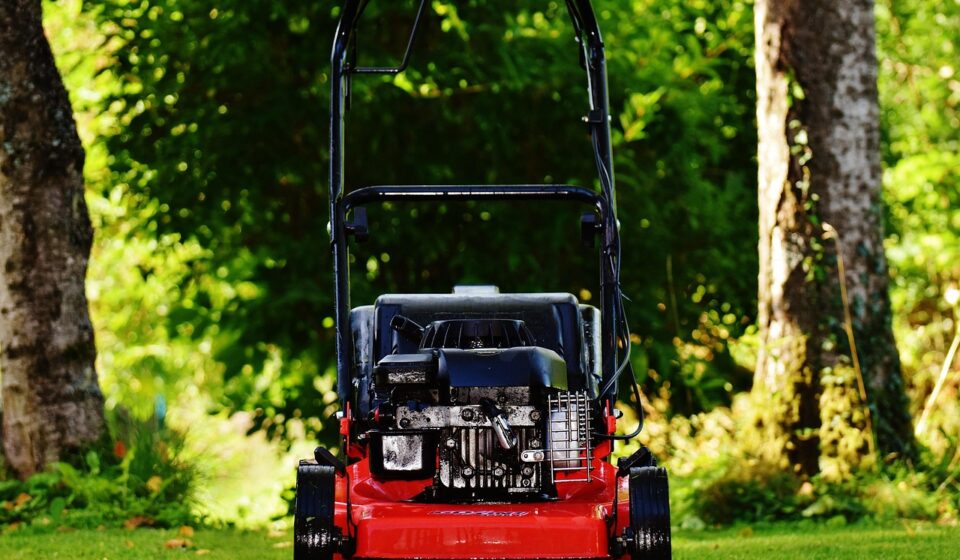
Beginner lawn mowing starts with height, timing, and safety
The most useful lawn mowing tips for beginners are not about cutting grass as short as possible. A better approach is to match the mower height to your grass type, mow often enough that you remove no more than one-third of the blade at a time, keep the blade sharp, and make safety part of every cut. University extension turf guidance generally warns that scalping grass weakens the plant, exposes soil to weed pressure, and slows recovery during heat or drought. A clean cut at the right time leaves enough leaf area for the lawn to produce energy, shade the soil, and recover between mowings.
Beginners also benefit from a simple routine. Walk the lawn first, remove debris, keep pets and children away from the mowing area, confirm the mower height, and avoid mowing when grass is wet or severely drought-stressed. Once those basics are in place, mowing becomes less of a guess and more of a repeatable maintenance habit.

Choose a mowing height that matches your grass
Cutting height is the foundation of good mowing. The right setting depends on grass species, climate, season, and whether the lawn is healthy or under stress. Cool-season grasses, common in northern and transition-zone lawns, are usually maintained taller than warm-season grasses. Warm-season grasses such as bermudagrass and zoysiagrass can often tolerate shorter mowing, but they still need consistent cutting and a level mower deck.
The ranges below are practical starting points compiled from university extension turf recommendations. They are not a substitute for local guidance, because regional conditions can change the best height.
| Grass type | Beginner mowing height range | Beginner note |
|---|---|---|
| Tall fescue | 2.5 to 4 inches | Often performs better toward the higher end during summer stress. |
| Kentucky bluegrass | 2 to 3.5 inches | Avoid scalping; taller mowing can help shade soil. |
| Fine fescue | 2.5 to 4 inches | Works well with a less aggressive mowing schedule. |
| Perennial ryegrass | 1.5 to 3 inches | Needs a sharp blade because torn tips show quickly. |
| Bermudagrass | 0.75 to 2 inches | Best results often require frequent mowing and an even lawn surface. |
| Zoysiagrass | 0.75 to 2 inches | Grows more slowly than bermudagrass, so mowing frequency may be lower. |
| St. Augustinegrass | 2.5 to 4 inches | Do not scalp; it generally looks better with a higher cut. |
If you do not know your grass type, start with a moderate-to-high setting instead of the lowest setting. A slightly taller cut is usually more forgiving for a beginner, especially during heat, dry weather, or uneven growth.
Mow based on growth, not a fixed calendar
Many beginners ask whether mowing once a week is enough. A better rule is to mow according to growth rate. Grass may need cutting every few days during peak growth and much less often during heat, drought, or dormancy. The common one-third rule is a simple way to protect the plant: do not remove more than one-third of the grass blade in one mowing.
For example, if you want to maintain a 3-inch lawn, mow before it grows much beyond about 4.5 inches. If the lawn has become too tall, do not cut it down to target height in one pass. Raise the mower, remove part of the growth, wait a few days, and then cut again. This gradual approach reduces stress and helps avoid heavy clumps.
Weather matters as much as height. Avoid mowing wet grass because it can clump, clog the mower deck, create an uneven cut, and increase slipping hazards. Avoid mowing during the hottest part of a summer afternoon when the lawn is already under stress. Late morning, after dew has dried, or early evening, when temperatures are lower, is often more comfortable for both the operator and the grass.
Prepare the lawn and mower before every cut
A short pre-mow check prevents many beginner mistakes. The U.S. Consumer Product Safety Commission has long emphasized basic mower safety, including clearing debris and keeping children away from active mowing areas. Even a small stone, toy, twig, or sprinkler part can become dangerous when struck by a fast-moving blade.
- Walk the mowing area and remove stones, branches, toys, hoses, and loose landscape edging.
- Make sure children, pets, and bystanders are indoors or well away from the mowing path.
- Wear closed-toe shoes, eye protection, and hearing protection when using loud powered equipment.
- Check that guards, shields, discharge chutes, and grass catchers are properly installed.
- Confirm the mower deck height before starting, especially if someone else used the mower last.
- For battery mowers, check charge level and battery seating. For gas mowers, check fuel and oil according to the manual.
If you need to touch the blade, clear a clog, or inspect the underside of the deck, stop the mower first. For gas mowers, disconnect the spark plug wire before blade work. For cordless electric mowers, remove the battery. This habit matters because accidental blade engagement can cause severe injury.
Use mowing patterns that reduce wear
Beginners often push the mower in the same lines every time because it feels efficient. Over time, that habit can create wheel ruts, compacted tracks, and grass that leans in one direction. Alternating your pattern helps the grass stand more upright and spreads traffic across the lawn.
Try a simple rotation. Mow north to south one week, east to west the next, and use a diagonal pattern occasionally if the lawn shape allows it. Overlap each pass slightly so you do not leave uncut strips, but avoid excessive overlap that wastes battery, fuel, and time.
On slopes, safety comes first. With a walk-behind mower, it is usually safer to mow across the slope rather than straight up and down. With a riding mower, follow the manufacturer’s slope instructions closely, because rollover risk changes with mower design, slope angle, ground moisture, and turning speed. If a slope feels unsafe, use a string trimmer or hire appropriate help rather than forcing the mower into a risky area.
Know when to mulch, bag, or remove clippings
Leaving short clippings on the lawn is usually beneficial. Extension and environmental guidance often describe this as grasscycling. When clippings are small enough to fall back into the turf, they decompose and return nutrients to the soil. The U.S. Environmental Protection Agency has also noted that clippings can reduce the need for some fertilizer because nutrients are recycled rather than removed.
Clippings help only when they are managed correctly. Mulch or leave them when the grass is dry and you are removing a modest amount of growth. Bag or rake clumps if the lawn was too tall, the cut material sits in mats, or clippings would smother living grass. A mulching blade can help chop clippings more finely, but it is not a workaround for mowing too much at once.
Be cautious with clippings after herbicide use. Some extension guides advise leaving treated clippings on the lawn rather than moving them into vegetable gardens, flower beds, or compost piles. Always follow the product label if a lawn treatment has been applied. See also: BUYING GUIDES.
Keep the mower sharp, clean, and level
A dull blade tears grass rather than cutting it cleanly. Torn tips may look whitish or brown after mowing and can make the lawn appear stressed even when the mowing height is correct. For most homeowners, sharpening at least once per growing season is a reasonable starting point; lawns with sandy soil, sticks, or frequent mowing may need more.
Mower maintenance is also a lawn health issue. A clogged deck reduces airflow and can leave an uneven cut. Uneven wheel settings can scalp one side of the lawn while leaving the other too tall. Low tire pressure on riding mowers can also affect cut quality. Before adjusting or cleaning, shut the machine down and disable the power source as described in the owner’s manual.
- Clean packed grass from the underside of the deck after mowing, especially when conditions were damp.
- Inspect the blade for dents, bends, or heavy wear.
- Keep all wheels set at the same height unless the manual states otherwise.
- For gas mowers, change oil, air filters, and spark plugs according to the manufacturer’s schedule.
- For battery mowers, store batteries within the recommended temperature range and keep contacts clean and dry.
- For robotic or smart mowers, clean sensors, inspect small cutting blades, and check boundary or mapping settings regularly.
Smart mowing tools can make beginner lawn care easier, but they do not replace basic turf rules. A robot mower still needs sharp blades and a safe mowing area. A connected mower still needs height settings that match the grass. Sensors and schedules help only when the underlying mowing plan is sound.
Common beginner mistakes and better fixes
| Mistake | Why it causes problems | Better fix |
|---|---|---|
| Cutting the lawn very short to mow less often | Short mowing can stress grass, expose soil, and invite weeds. | Use the recommended height and mow more frequently during active growth. |
| Mowing wet grass | Wet grass clumps, cuts unevenly, and can make the mower slip or clog. | Wait until dew or rain has dried before mowing. |
| Using a dull blade | Torn grass tips brown faster and make the lawn look rough. | Sharpen or replace the blade when cut quality declines. |
| Always mowing the same route | Repeated wheel traffic can create ruts and leaning grass. | Rotate patterns between straight and diagonal passes. |
| Bagging every clipping automatically | Useful nutrients are removed from the lawn. | Mulch short, dry clippings and only remove clumps or problem material. |
| Ignoring the owner’s manual | Wrong oil, poor battery storage, or unsafe blade service can damage equipment. | Follow the manual for maintenance intervals and safety steps. |
For more practical upkeep ideas across outdoor equipment and home systems, browse the maintenance tips section.
A simple first-month mowing plan
If you are new to lawn care, use the first month to observe the lawn rather than chase a perfect finish. On the first mow, set the mower high, cut only when the grass is dry, and look at the result the next day. If the tips look shredded, service the blade. If the lawn looks unevenly striped, check wheel height, deck level, and mowing overlap.
During the second and third mowings, adjust based on growth rate. If you are cutting off more than one-third, mow sooner or raise the height. If clippings are disappearing into the turf, mulching is working. If clumps remain, slow down, mow more often, or bag temporarily. By the fourth mowing, you should have a clearer sense of how fast your lawn grows in normal weather and which areas need special attention.
Do not judge the lawn only by how it looks immediately after mowing. A proper cut should also look good two or three days later. Healthy grass will stand back up, hold color, and show fewer ragged tips.
Frequently asked questions
How often should a beginner mow the lawn?
Mow when growth requires it, not strictly by the calendar. During active spring or early summer growth, that may mean once a week or more. During drought, heat, or dormancy, mowing may be needed much less often. Use the one-third rule as your guide.
Is it better to mow before or after watering?
Mow before watering when possible, or wait until the grass is dry after rain or irrigation. Dry grass cuts more cleanly, clumps less, and is safer to walk and mow on. Watering after mowing can be reasonable if the lawn actually needs moisture.
Should beginners use a mulching mower?
A mulching mower is useful if you mow often enough that clippings are short. It can reduce bagging and return nutrients to the soil. If the grass is tall, wet, or producing heavy clumps, bagging or raking may be better for that mowing.
What should I do if I accidentally scalp the lawn?
Do not keep cutting it short. Raise the mower height, keep traffic off the damaged area, water appropriately for your grass type and local rules, and let the lawn recover before the next cut. Severe scalping may require overseeding or repair when the correct season arrives.
What mower setting should I use if I am unsure?
Start higher rather than lower. A higher setting is generally more forgiving because it leaves more leaf area for photosynthesis and shades the soil. Once you identify your grass type and see how the lawn responds, adjust within the recommended range.