Embedded microcomputer systems for smart hardware design and reliable edge control
What embedded microcomputer systems mean in smart hardware
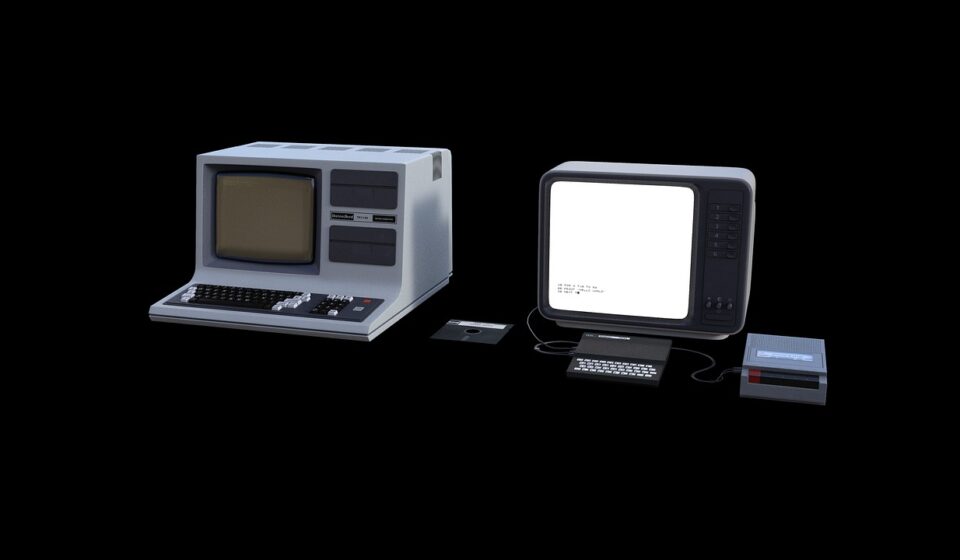
Embedded microcomputer systems are computing systems built into larger electronic or mechanical products to handle dedicated control, sensing, communication, or user-interface tasks. Unlike a general-purpose PC, an embedded system is designed around a specific workload, power budget, enclosure, and operating environment. In smart hardware, that may be a thermostat reading sensors and switching relays, a factory controller coordinating motors, a medical device logging measurements, or an edge camera processing images before sending selected data to the cloud.
In practice, the processor is only one part of the design. The value of an embedded microcomputer system comes from how well the hardware, firmware, timing behavior, connectivity, security, and maintenance model fit the product. A small microcontroller may be the right choice when cost and energy use are the main constraints. A more capable microprocessor or system-on-chip may be needed when the product requires a graphical interface, Linux-class software, local artificial intelligence, or several high-speed network interfaces.
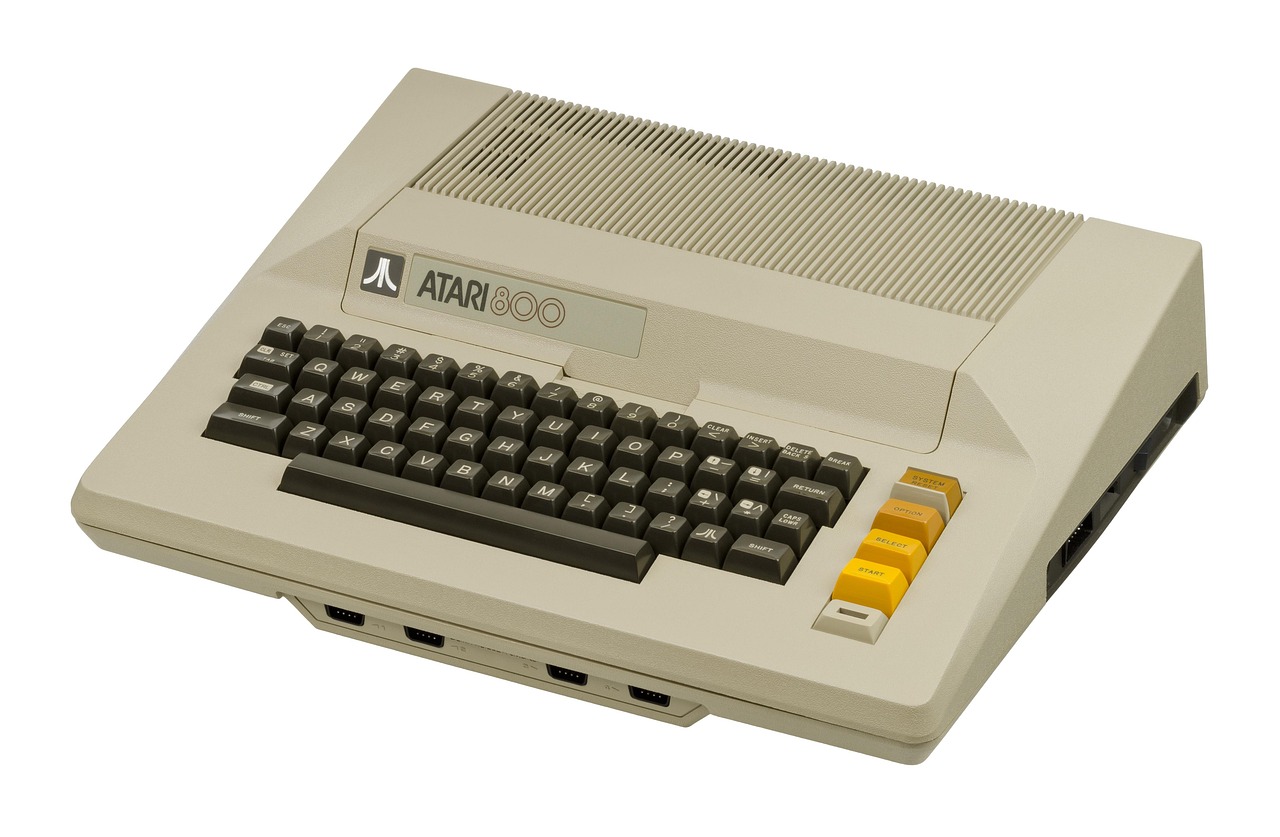
For readers following the broader embedded systems field, embedded microcomputer design has moved beyond isolated control boards. Many products now operate as reliable edge systems. They must boot securely, update safely, withstand network exposure, and keep working in physical environments where downtime can be costly.
Core architecture of an embedded microcomputer system
A typical embedded microcomputer system includes a processing unit, memory, input and output interfaces, firmware or operating software, power management, and the physical electronics that connect it to the product. These elements may be separate chips on a printed circuit board, or they may be integrated into a microcontroller, system-on-chip, or module.
| Component | Role in the system | Design questions |
|---|---|---|
| Processor or controller | Executes control logic, signal processing, communication stacks, and application code. | Does the workload need real-time control, high compute performance, or both? |
| Memory | Stores firmware, runtime data, logs, models, and configuration. | Is nonvolatile storage large enough for updates and rollback images? |
| Input and output | Connects sensors, actuators, displays, buttons, buses, and networks. | Which interfaces are required, and what timing accuracy do they need? |
| Firmware and software | Defines product behavior, boot sequence, update logic, diagnostics, and security controls. | Can the software be tested, updated, and maintained over the product lifetime? |
| Power subsystem | Regulates voltage, manages battery use, and protects the board from electrical stress. | What are the peak, sleep, and fault-condition power requirements? |
The architecture should be selected by working backward from the product requirements. A wearable sensor may prioritize sleep current, wake-up time, and compact packaging. An industrial gateway may prioritize deterministic networking, isolation, long-term availability, and serviceability. A consumer smart display may require graphics, audio, wireless connectivity, and a higher-level operating system.
Microcontroller, microprocessor, SoC, or module
One of the first design decisions is the level of integration. A microcontroller normally combines a CPU core, memory, timers, analog functions, and peripheral interfaces in one chip. It is often used where firmware runs directly on hardware or on a lightweight real-time operating system. Microcontrollers are common in motor control, sensing, appliances, low-power IoT nodes, and safety-related control loops.
A microprocessor usually depends on external memory and supporting components. It is used when the system needs more compute capacity, a rich operating system, advanced networking, a complex user interface, or stronger application-level software separation. Many Linux-based gateways, human-machine interfaces, and smart cameras use this type of design.
A system-on-chip integrates a processor with graphics, accelerators, memory controllers, security blocks, and high-speed interfaces. It can reduce board complexity, although software and validation work may become more demanding. A system-on-module places a tested compute subsystem on a small module, allowing the product team to focus on the carrier board, enclosure, sensors, and application software. Modules can shorten development time, but they may add unit cost and supplier dependency.
The right answer is rarely the highest-performance option. It is the lowest-risk architecture that meets the requirements for timing, power, cost, certification, updateability, and field support.
Real-time behavior and software structure
Many embedded microcomputer systems must respond within predictable time limits. A temperature display can tolerate modest delays. A motor drive, braking subsystem, or industrial interlock cannot. For that reason, embedded software design often starts with timing analysis, not just a feature list.
Common software structures include bare-metal firmware, real-time operating systems, embedded Linux, and mixed architectures. Bare-metal firmware can be simple and efficient, but it becomes harder to maintain as communication stacks and product features expand. A real-time operating system helps separate tasks, timers, drivers, and communication services while preserving deterministic behavior. Embedded Linux brings mature networking, file systems, security tooling, and application frameworks, but it usually requires more memory, more storage, boot-time planning, and disciplined update management.
When deterministic timing matters
Real-time requirements should be stated in measurable terms: maximum interrupt latency, control-loop period, startup time, watchdog recovery time, bus timing, and allowed packet loss. Without measurable timing limits, teams may overbuild the hardware or underestimate the software risk.
When separation matters more than simplicity
As connected hardware becomes more complex, software separation becomes more important. A product may need one partition for a safety-critical control loop, another for connectivity, and another for user-facing features. This separation can reduce the chance that a network service or interface bug disrupts the core control function.
Security and firmware resilience are design requirements
Security in embedded microcomputer systems starts before the application runs. NIST SP 800-193, published in May 2018, describes platform firmware resilience around three practical goals: protect firmware from unauthorized change, detect when unauthorized change has occurred, and recover in a trustworthy way. For smart hardware, those ideas translate into secure boot, signed firmware updates, rollback protection, protected keys, reliable recovery images, and controlled debug access.
NIST SP 800-82 Revision 3, published in September 2023 for operational technology security, is also relevant when embedded systems are deployed in industrial, building, utility, or transportation environments. It emphasizes that operational systems often have long lifecycles, availability constraints, physical safety implications, and legacy equipment. Those conditions make embedded security different from ordinary office IT security.
For product teams, the main lesson is that security cannot be added after the board layout is finished. Hardware roots of trust, flash protection, secure elements, update partitions, random number generation, lifecycle state control, and service access policies all influence the design. If the device is expected to operate for years, the update mechanism is as important as the first firmware release. See also: BUYING GUIDES.
- Secure boot helps ensure that only trusted firmware starts on the device.
- Signed updates reduce the risk of unauthorized firmware installation.
- Rollback protection prevents attackers from reinstalling older vulnerable firmware.
- Watchdogs and recovery images help restore service after faults or failed updates.
- Debug port control reduces the risk of physical extraction or unauthorized modification.
Connectivity changes the risk and the architecture
Connected products need more than a radio or Ethernet port. They need a lifecycle model. The architecture must support provisioning, identity, credentials, network configuration, diagnostics, logging, update distribution, and decommissioning. A device that is secure on the production line can become risky if credentials are shared across units, certificates expire without a renewal plan, or updates cannot be delivered after deployment.
Connectivity also changes data decisions. Some smart hardware sends raw sensor streams to a cloud service. Other systems process data locally and send only events, summaries, or alerts. Local processing can reduce latency, bandwidth use, and privacy exposure, but it may require more compute capability and a more complex software stack.
Edge artificial intelligence is one example of this shift. Microcontrollers and embedded processors are increasingly used for keyword spotting, anomaly detection, vision pre-processing, vibration monitoring, and sensor fusion. The design question is not simply whether a model can run. Teams also need to consider memory footprint, inference latency, thermal limits, update strategy, dataset drift, and what happens when confidence is low.
Evaluation checklist for product planning
Before selecting a chip, board, or module, teams should document product constraints in a form that can be tested. The following checklist helps turn a broad product idea into engineering requirements.
- Function: What specific control, sensing, communication, or user-interface tasks must the system perform?
- Timing: Which tasks have hard deadlines, and what are the measurable limits?
- Power: What are the active, idle, sleep, and peak current targets?
- Environment: What temperature, vibration, humidity, electromagnetic, or enclosure constraints apply?
- Interfaces: Which sensors, actuators, buses, wireless standards, displays, and service ports are required?
- Security: Does the design support secure boot, signed updates, key protection, and controlled debug access?
- Updates: Can the device recover from a failed firmware update without manual reprogramming?
- Lifecycle: How long must components, software support, and security maintenance remain available?
- Compliance: Are functional safety, radio, electromagnetic compatibility, privacy, or sector-specific requirements relevant?
- Serviceability: How will faults be logged, diagnosed, and repaired in the field?
This checklist is also useful when comparing custom boards with modules. A module may be attractive when wireless certification, software enablement, and schedule risk matter. A custom board may be better when the product is cost-sensitive at scale, physically constrained, or dependent on unique analog and power design.
Common design mistakes to avoid
The most expensive embedded design problems often start with early assumptions. Choosing a processor before defining timing, memory, and update requirements can force late redesigns. Treating firmware as a one-time deliverable can leave products exposed when vulnerabilities are found. Underestimating power behavior during radio transmission, motor startup, or temperature extremes can cause failures that do not appear in simple bench tests.
Another common mistake is ignoring observability. A deployed embedded system should provide enough diagnostic information to distinguish software faults, sensor failures, power instability, network problems, and user configuration errors. Without logs, counters, health checks, and controlled service modes, field failures become harder and more expensive to resolve.
Teams should also avoid designing only for the prototype. A demonstration board may prove the concept, but a production embedded microcomputer system also needs manufacturability, test points, firmware programming flow, calibration process, component availability, security provisioning, enclosure integration, and end-of-life planning.
Frequently asked questions
Are embedded microcomputer systems the same as embedded systems?
The terms overlap. An embedded microcomputer system usually emphasizes the computing unit and its supporting electronics inside a product. Embedded system is the broader term for the complete hardware and software system performing a dedicated function within a larger device.
Is a microcontroller enough for smart hardware?
Often yes, especially for sensor nodes, simple control devices, wearables, appliances, and low-power products. A microprocessor, SoC, or module may be more appropriate when the product needs a complex interface, high-speed networking, large memory, local AI, or a full operating system.
Why is firmware update design so important?
Firmware updates are the practical mechanism for fixing defects, improving behavior, and addressing security vulnerabilities after deployment. A safe update design should verify authenticity, protect against interruption, and provide a recovery path if the update fails.
What is the biggest architectural trend in embedded hardware?
The strongest trend is the move from isolated control boards toward connected edge systems. That makes security, lifecycle management, local processing, and remote diagnostics central parts of the architecture rather than optional features.
Conclusion
Embedded microcomputer systems are the foundation of modern smart hardware, but successful design depends on more than selecting a processor. The architecture must balance compute performance, deterministic timing, power use, interfaces, security, software maintainability, and field support. Standards and guidance from organizations such as ISO, IEEE, and NIST reinforce a practical message: embedded products should be designed as long-lived systems, not one-time electronics projects. Teams that define requirements clearly, plan secure updates early, and test against real operating conditions are better positioned to build reliable edge devices that remain useful after deployment.