Are Smart Devices Worth It for Homes and Businesses in 2026?
Why Do Smart Devices Matter Now?
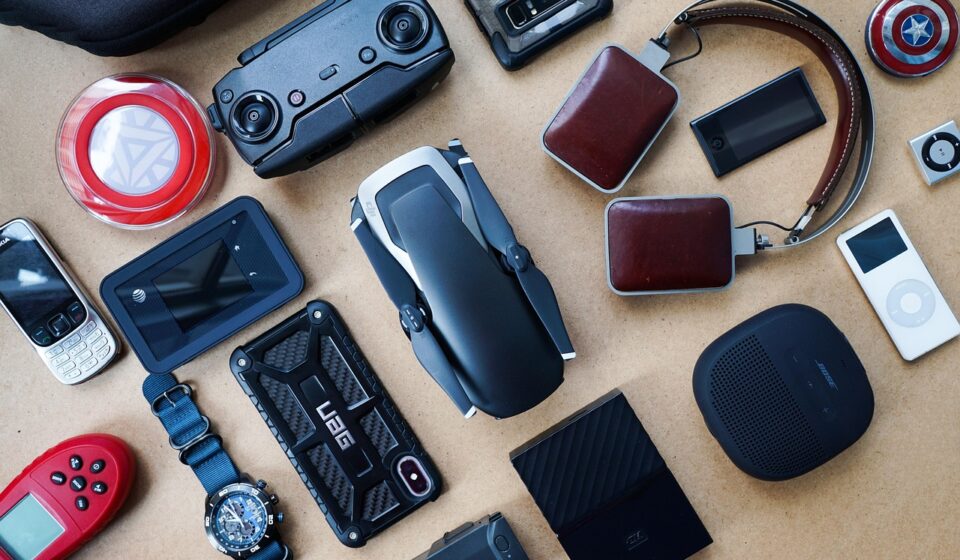
Smart devices are not only gadgets for tech fans now. They are used in kitchens, rental apartments, offices, warehouses, clinics, and small shops, where people want simple control, clear status, and fewer repeated checks. If you sell, source, or buy smart hardware, the main question is not whether connected products are popular. The better question is which products fix a clear problem without adding more work for the user.
Third-party data explains why this is now a normal buying topic. IoT Analytics reported in September 2024 that connected IoT devices reached 16.6 billion at the end of 2023 and were expected to grow 13% to 18.8 billion in 2024. Parks Associates also reported in March 2024 that 45% of U.S. internet households had at least one smart home device, equal to about 54 million households. These numbers do not mean every gadget is useful, but they show a buying pattern that has moved far beyond early adopters. (iot-analytics.com)
A Market That Has Moved Past Early Adopters
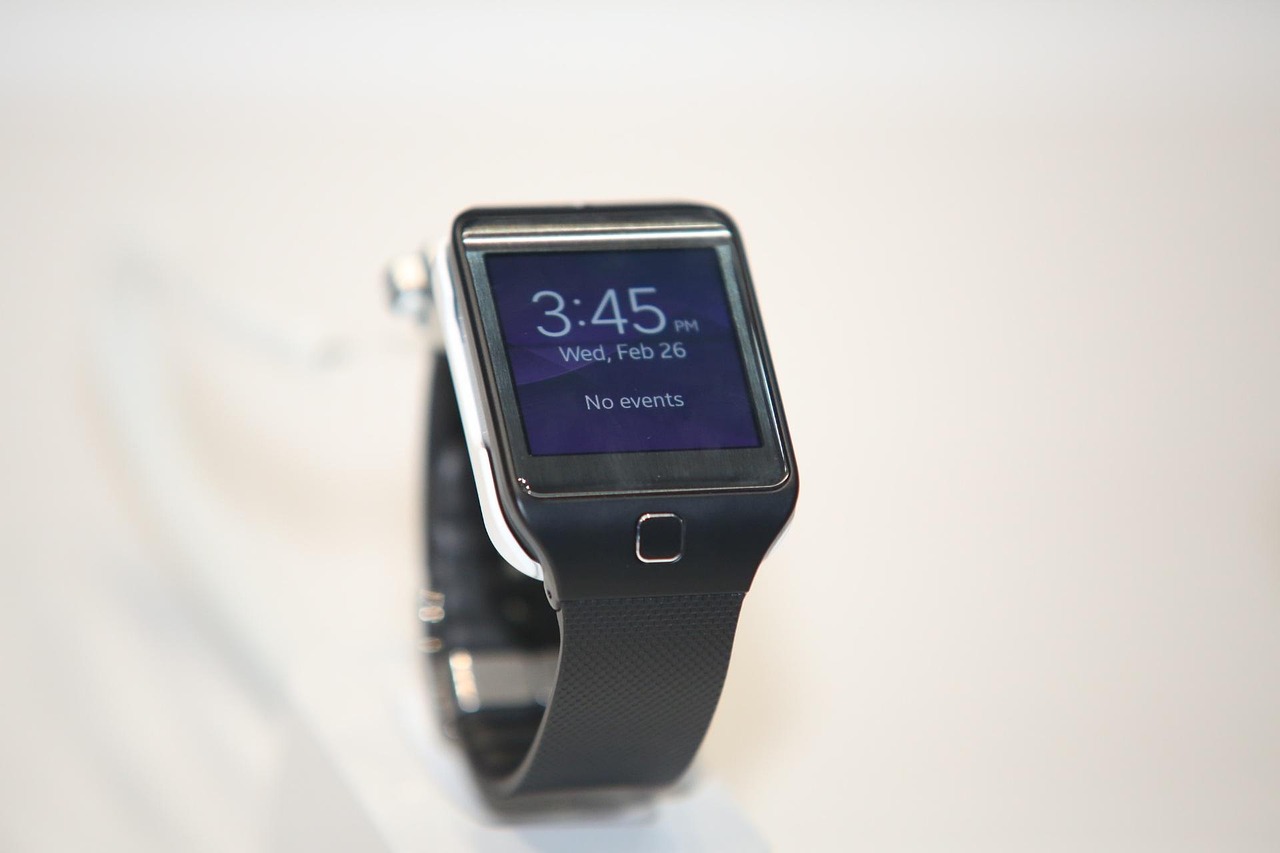
When a product category reaches millions of homes, buyers put up with less. They expect smart devices to pair quickly, work with common platforms, and keep running after a router restart. A motion sensor that misses half the motion is not smart in any useful sense. A camera that takes 15 seconds to load can be worse than a normal peephole. The market has grown, and buyers now judge connected products by everyday usefulness.
Daily Convenience With Practical Limits
Good smart devices remove small steps from normal routines. Lights turn off when a room is empty, a thermostat lowers the temperature while nobody is inside, and a leak sensor sends an alert before water damages a sink cabinet. There is still a limit. If an app needs five taps for a basic task, people stop using it. If every brand needs a different login, the setup becomes messy very fast.
A Better Lens for Buyers
Write down the repeated problem before buying anything. Is it energy use, access control, comfort, monitoring, or routine reminders? Then match the device to that problem. This sounds basic, but it avoids the usual drawer full of smart plugs, half-used hubs, and unknown cables. A good smart setup should feel boring in a good way: it works, and you stop thinking about it.
Which Smart Devices Give You the Biggest Everyday Value?
The smart devices with the best everyday value usually sit where a small automatic action saves time or prevents damage. You do not need a fully connected home on the first order. In many homes and work sites, three good products are better than fifteen average ones. Start with devices that touch daily routines, energy bills, or basic safety.
Smart Speakers and Displays as Control Points
Smart speakers and displays are often the easiest first step because they work as shared control points. You can turn lights on, check a camera, set a timer, or start a routine without looking for a phone. In a kitchen, that matters when your hands are wet or covered in flour. In a small office, it may be as simple as turning on meeting room lights with one spoken command. The speaker itself is not the whole value. The value comes from faster access to other devices.
Smart Thermostats for Measurable Energy Use
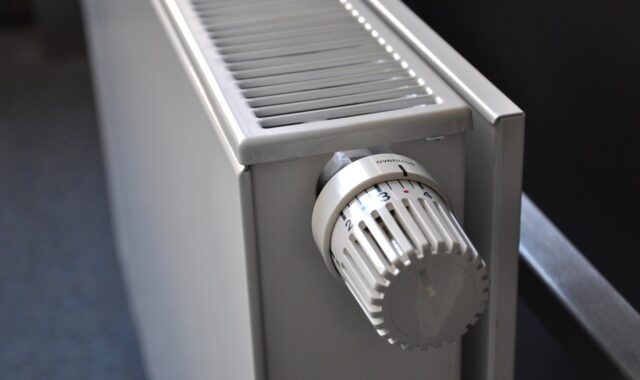
Smart thermostats stand out because there is public data connected to savings. ENERGY STAR states that certified smart thermostats save about 8% on heating and cooling bills, or around $50 per year on average, while noting that savings vary by climate, home type, and HVAC equipment. This matters because heating and cooling are large energy loads, so better scheduling and remote control can pay back over time. The result should be read in a practical way. A smart thermostat is not magic, but it can cut real waste when the building has regular away hours. (energystar.gov)
Smart Cameras Sensors and Locks for Safer Routines
Cameras, contact sensors, leak sensors, and smart locks add value when they answer a real question. Did the back door close? Is water leaking under the heater? Did the delivery arrive? In a shop, a smart lock can give short-term access to a cleaner or repair tech without copying keys. For homes, camera placement needs common sense. A camera facing a driveway is one thing; a camera in a private room is another. Practical security does not need to feel invasive.
How Should You Compare Smart Devices Before Buying?
Product pages often read the same, so compare smart devices with a short checklist. Look past clean product photos and think about how the device will behave after six months. A device that works today but loses app support next year is not a bargain. A device that needs a rare battery may become a problem later, usually at the worst time.
Compatibility Before Brand Loyalty
Compatibility should come before brand preference. The Connectivity Standards Alliance released Matter 1.4 in November 2024 with features aimed at more capable smart homes, including improvements for energy management and device types such as heat pumps and battery systems. The same organization described Matter 1.4.2 in 2025 as a release focused on security and scalability. The practical point for buyers is simple: open standards matter because users do not want every device locked inside one app or one ecosystem. (csa-iot.org)
Power and Network Choices That Fit the Space
Power choices affect daily use more than many buyers expect. Battery sensors are easy to place, but batteries still need replacement. Plug-in devices are steady, but outlets may be in the wrong spot. Wi-Fi devices are simple for small setups, while Thread, Zigbee, or Z-Wave can help larger networks avoid crowding the router. For a two-bedroom apartment, Wi-Fi lights and a few sensors may be enough. For a property with thick walls or many rooms, a mesh-friendly setup often behaves better.
App Quality Updates and Local Control
Check whether the app is easy to understand, whether firmware updates are listed, and whether basic functions still work if the internet drops. Public data that ranks every smart device app fairly across all brands is not reliably available, so broad claims about one app being the best should be treated with care. Use recent reviews, return windows, and support pages before ordering. Also look for local control where possible. If a light switch cannot turn on lights during a cloud outage, it is not a strong switch.
Can Smart Devices Help a Small Business Work Better?
Smart devices can help small businesses when they support a routine that already matters. A cafe, repair shop, office, salon, or stockroom does not need a movie-style control wall. It needs lower waste, faster checks, and fewer simple mistakes. A useful business setup is often quiet: sensors, schedules, alerts, and access logs doing the work in the background.
Lower Waste in Lighting Climate and Equipment
Lighting schedules, occupancy sensors, smart plugs, and thermostats can reduce use that should not happen. A small office may have meeting rooms sitting empty with lights on. A stockroom fan may run all weekend. Smart control can catch these patterns. One device may not change the bill much, but waste across 10, 20, or 50 devices is easier to see when logs and schedules are in place.
Faster Checks for Shops Offices and Stockrooms
For small teams, alerts can replace repeated walks. A contact sensor can confirm that a storage door is closed. A temperature sensor can warn a florist, pharmacy, or food shop before heat damages stock. A camera can help a manager check a delivery without driving across town. These uses are not flashy, but they save time. In many businesses, saved time is the real return.
Customer Experience That Feels Less Forced
Smart devices can improve the customer experience when they stay in the background. Good lighting scenes can make a showroom feel comfortable. A smart display can show waiting times. A sensor can trigger a soft door chime in a small retail space. Avoid forcing a smart feature into every customer touchpoint. Customers usually do not care that the device is smart. They care that the space feels clean, safe, and easy to use.
What Security and Privacy Habits Should You Use?
Every connected product is one more entry point into your digital setup. This is not scare talk; it is how connected hardware works in normal use. The National Institute of Standards and Technology published NIST IR 8425 in 2022, a consumer IoT cybersecurity profile that identifies common capabilities needed for home and personal IoT products. The message for buyers and users is practical: security should be built into devices, and users still need good habits. (csrc.nist.gov)
Unique Passwords and Multi Factor Sign In
Use unique passwords for device accounts and turn on multi factor sign in when the app offers it. Reused passwords give attackers an easy route in, especially when another site gets breached. A password manager helps, even for people who are not technical. Also remove old shared users. Former roommates, past staff, and old installers should not keep access forever.
Separate Networks for Guest and Device Traffic
A guest network or separate IoT network can reduce risk. It keeps visitors and less trusted devices away from laptops, work files, and private systems. This is useful at home, and it matters even more in small offices. The setup does not need to be complicated. Many modern routers have a simple guest network switch. Give devices only the access they need, not the whole house.
Clear Rules for Cameras Microphones and Data
Set simple rules for cameras and microphones. Do not place cameras in bedrooms, bathrooms, changing areas, or private staff spaces. Review cloud storage settings and delete recordings you do not need. For children, guests, or employees, privacy is not only a settings menu. It is a trust issue. A smart home or office feels better when people know what is recording and why.
How Can You Build a Smart Device Setup That Lasts?
A setup that lasts usually grows slowly. You do not need to buy everything during one sale event, even when the discount looks good. Start small, test real use, and then add devices that fit the same system. The aim is a setup that still makes sense a year later, after the new-product excitement is gone.
Start With One Pain Point
Pick one pain point and solve it properly. If the hallway is dark at night, add a motion light. If the utility room has had one leak, add a leak sensor. If staff forget to lock a side door, use a smart lock with an access log. Small wins build confidence. They also show what you actually use, which is often different from what looked attractive in the product photo.
Pick Devices With Open Standards and Real Support
Choose devices that list clear platform support, update policies, and customer service options. If a brand hides basic details, be careful. For trade buyers and distributors, packaging should state compatibility in plain language. For homeowners, the box should answer one basic question quickly: will this work with the phone, hub, or voice assistant already in the space?
Review the Setup Every Few Months
Every few months, check batteries, app permissions, user access, and automations. Delete routines that no longer help. Update firmware when the source is trusted. Rename devices clearly, such as “Back Door Sensor” instead of “Sensor 4.” Small maintenance habits keep smart devices from becoming digital clutter. A setup that gets reviewed stays useful.
FAQ
Q1: Are Smart Devices Worth It if You Only Rent Your Home? A: Yes, if you choose renter-friendly products such as smart plugs, bulbs, portable sensors, and speakers. Avoid hardwired devices unless your lease allows changes.
Q2: What Smart Device Should You Buy First? A: Start with the device linked to your biggest daily annoyance. For many homes, that means a smart speaker, thermostat, leak sensor, or motion light.
Q3: Do Smart Devices Always Save Money? A: No. Some save money, especially thermostats and energy controls, but many mainly save time or add comfort. Treat savings claims with care.
Q4: Is Matter Important for Smart Devices? A: Matter is useful when you want products from different brands to work together more easily. It is not the only factor, but it is worth checking before you buy.
Q5: How Many Smart Devices Are Too Many? A: You have too many when setup, apps, alerts, and charging create more work than they remove. A smaller system that works well is usually the better choice.