Lawn maintenance tips for spring that help prevent summer lawn problems
Spring lawn care works best when it builds root strength before summer heat, drought, weed pressure, and foot traffic arrive. The practical work is mostly about timing: inspect winter damage, rake only after soil firms up, mow once turf is actively growing, water deeply only when needed, repair bare patches correctly, and fertilize according to grass type and soil needs. University extension guidance consistently emphasizes adjusting spring work to local climate, turf species, and soil temperature rather than following a fixed calendar date. For homeowners using smart hardware, spring is also the time to check irrigation controllers, mower schedules, rain sensors, and soil monitoring tools so maintenance decisions reflect actual lawn conditions.
For more seasonal upkeep ideas, see the Maintenance tips section.
Start with a spring lawn assessment
Before applying fertilizer, seed, herbicide, or irrigation, walk the entire lawn and separate cosmetic issues from problems that need repair. Winter can leave matted leaves, snow mold patches, compacted paths, vole trails, salt injury near driveways, and thin turf where water pooled. Some areas recover as temperatures rise. Others need attention because the crown of the grass plant is dead.
A useful assessment includes four checks. First, look for soil that is still soft or saturated. Working on wet soil can worsen compaction and leave ruts. Second, tug gently on brown grass. If it is firmly rooted, it may be dormant or slow to green up; if it pulls away easily, the area may need reseeding or sod repair. Third, identify whether the lawn is mostly cool-season grass, such as tall fescue, Kentucky bluegrass, or perennial ryegrass, or warm-season grass, such as bermudagrass, zoysiagrass, centipedegrass, or St. Augustinegrass. Fourth, note where shade, drainage, pet traffic, or mower turns repeatedly cause damage.
This first pass helps avoid one of the most common spring mistakes: treating the whole yard the same. A sunny bermudagrass lawn in the South and a tall fescue lawn in the Upper Midwest need different timing for fertilizer, seeding, and aggressive cultivation. Local cooperative extension offices are often the most reliable reference for turf calendars because they account for regional grass species, soils, and climate patterns.
Clean up winter debris without damaging new growth
Spring cleanup should be light, patient, and targeted. Remove sticks, leaves, trash, and heavy debris once the lawn is dry enough to walk on without leaving footprints. During early green-up, a flexible leaf rake is usually safer than a stiff dethatching rake because tender crowns and new shoots can be pulled out when turf is still weak.
If grass is matted, gently lift the blades to improve airflow. This is especially useful where leaves or snow cover held moisture against the turf. Avoid aggressive dethatching unless you have confirmed a real thatch problem. Thatch is a dense layer of undecomposed stems and roots between the green grass and soil surface. A small amount is normal; excessive thatch can block water and air movement. Cutting into the lawn too early or too deeply can stress grass just as it is rebuilding energy reserves.
Spring is also a good time to edge walkways, clear drainage inlets, and inspect low spots. Standing water is more than an appearance issue. It can reduce oxygen around roots, encourage disease, and create uneven mowing conditions. If puddles remain long after rain, the solution may involve grading, soil improvement, aeration at the proper season, or redirecting runoff rather than simply adding seed.
Time mowing by grass growth, not by the calendar
The first mow of spring should wait until grass is actively growing and tall enough to cut without scalping. A useful rule is to remove no more than one-third of the grass blade at one mowing. Cutting too low may make the lawn look neat for a few days, but it reduces leaf area, weakens roots, and opens space for weeds.
Mowing height depends on turf type. Many cool-season lawns perform better at a moderate to higher height, especially as summer approaches, because taller leaves shade the soil and support deeper rooting. Some warm-season grasses tolerate shorter mowing, but they still need sharp blades and a consistent cutting height. If you are unsure, follow a local turf maintenance calendar rather than copying a generic recommendation.
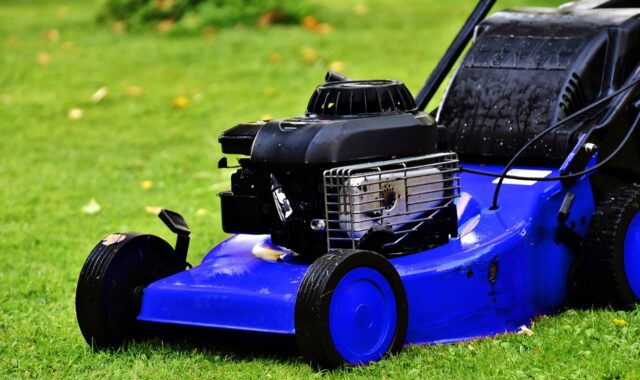
Service mowing equipment before the first regular mowing cycle. Sharpen blades so they cut cleanly instead of tearing the grass. Dull blades leave pale, frayed tips that lose moisture faster and can make the lawn look gray or stressed. Check tire pressure on riding mowers so the deck cuts evenly, clean old clippings from the underside of the deck, and confirm that robotic mower boundary wires, guide paths, and no-go zones have not shifted over winter.
Leaving short grass clippings on the lawn is usually beneficial when mowing is frequent enough that clippings do not clump. Environmental and extension guidance commonly notes that returned clippings recycle nutrients and organic matter. The exception is when clippings are long, wet, diseased, or piled heavily enough to smother grass; in those cases, redistribute or collect them.
Water deeply, but do not overwater early in spring
Many lawns do not need routine irrigation early in spring because rainfall and cooler temperatures often provide enough moisture. Overwatering can keep roots shallow, increase runoff, and encourage disease. Instead of watering on a fixed schedule, check soil moisture and watch for stress signs, such as footprints that remain visible after walking across the lawn or grass blades that fold or turn bluish-green.
When irrigation is needed, deep and infrequent watering is generally better than frequent shallow watering. The goal is to moisten the root zone, then allow the surface to dry before the next cycle. This encourages deeper rooting and reduces conditions that favor some fungal problems. Sprinkler output varies widely, so a simple catch-can test can show how long each zone takes to apply a measured amount of water.
Smart irrigation controllers can add value in spring, but only when they are configured correctly. Reconnect the system after freeze risk has passed in your area, inspect heads for leaks or misalignment, and update zone details such as soil type, slope, sun exposure, and plant type. Rain sensors and weather-based controllers should be tested rather than assumed to be working. A controller that skips watering after rainfall can reduce waste; a miscalibrated one can under-water new seed or over-water already wet soil.
Repair bare spots while avoiding seed and weed-control conflicts
Bare patches are one of the main reasons people search for spring lawn maintenance tips. The right repair depends on grass type and timing. Cool-season grasses can be seeded in spring when bare soil needs quick cover, but many university extension resources caution that fall is often the stronger season for major cool-season overseeding because spring seedlings face weed pressure and summer heat before they are fully established. Warm-season grasses are commonly repaired or established when soil and air temperatures are consistently warm enough for active growth.
For small bare areas, loosen the topsoil, remove dead material, level the surface, choose seed that matches the existing lawn, and maintain steady moisture until seedlings are established. Seed-to-soil contact matters more than simply throwing seed over dead grass. Where soil is compacted, shallow preparation or properly timed core aeration may help, but heavy aeration is not automatically a spring task for every lawn. See also: BUYING GUIDES.
The biggest spring repair conflict involves preemergent herbicides. Products used to prevent crabgrass and other annual weeds often work by stopping seed germination. That means they can also prevent desirable grass seed from establishing unless the label specifically allows seeding or the product is designed for that situation. If you need to seed bare areas, read the label carefully and consider treating unseeded areas separately. Never assume a weed-prevention product and new grass seed are compatible.
Fertilize based on turf needs, soil tests, and season
Spring fertilization should support healthy growth without pushing excessive top growth too early. Applying too much nitrogen in early spring can produce a quick green response but may shift energy away from roots. It can also increase mowing frequency and, if misapplied before heavy rain, contribute to nutrient runoff.
A soil test is the most reliable way to determine whether the lawn needs phosphorus, potassium, lime, or other amendments. Many established lawns do not need phosphorus every year, and some areas restrict phosphorus use unless a soil test or new establishment need justifies it. Because fertilizer rules vary by state and municipality, always follow local regulations and the product label.
The best timing also depends on turf type. Cool-season lawns often receive their most important feeding in fall, with lighter spring fertilization only when needed. Warm-season lawns are usually fertilized after they have greened up and are actively growing, not while they are still dormant. Slow-release nitrogen sources can help provide steadier feeding and reduce surge growth, but the right product depends on soil test results, lawn goals, and local guidance.
Application technique matters as much as product choice. Calibrate spreaders, sweep granules off sidewalks and driveways back onto the lawn, avoid fertilizing before heavy rain, and keep fertilizer away from storm drains and waterways. These practices align with common environmental guidance aimed at reducing nutrient movement from yards into local water systems.
Use smart hardware to make spring maintenance more precise
Smart lawn hardware cannot replace agronomic basics, but it can reduce guesswork. A soil thermometer or connected soil sensor helps identify when the lawn is actually warming rather than relying on air temperature alone. That matters for seed germination, weed pressure, and warm-season turf green-up. Moisture sensors can help prevent unnecessary irrigation after rain, especially in mixed sun and shade yards where one zone dries faster than another.
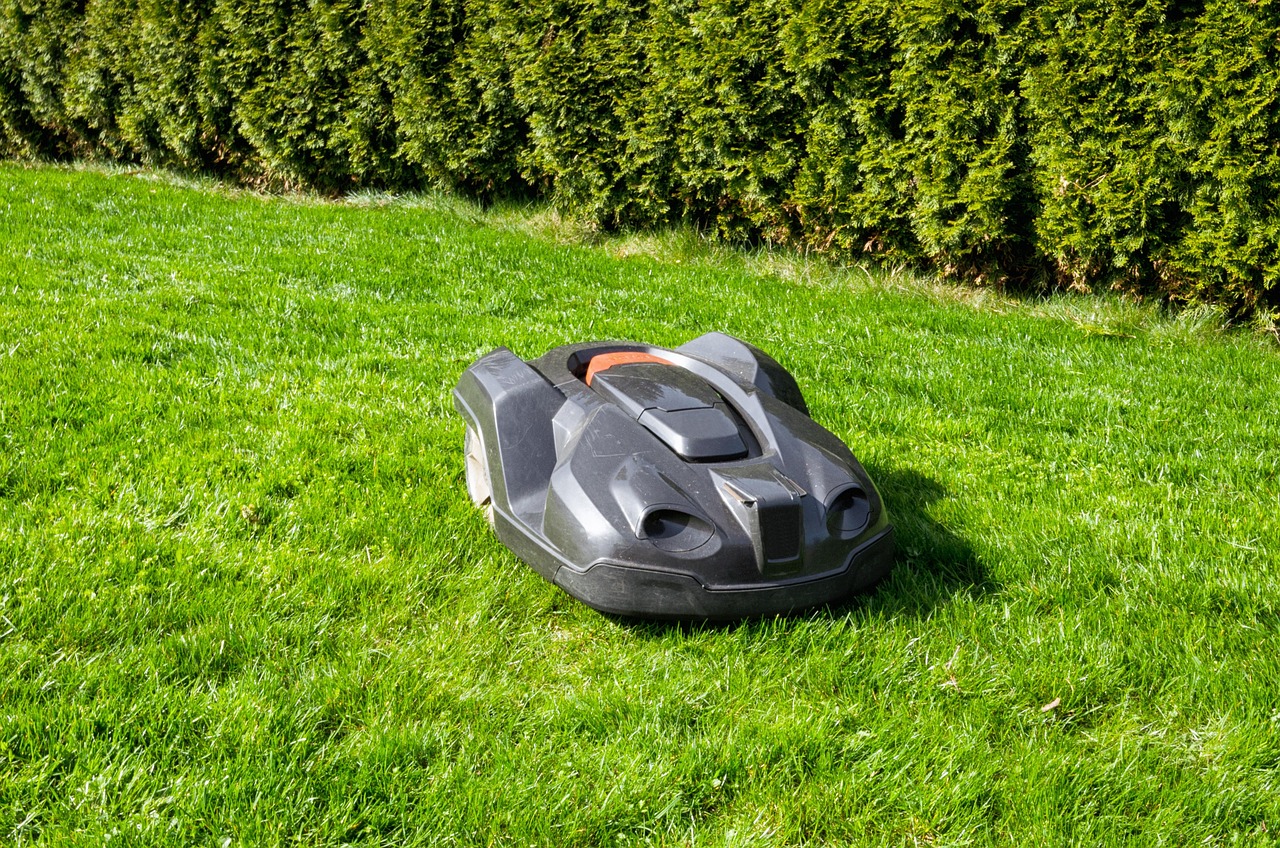
Robotic mowers can also support spring maintenance when used carefully. Frequent light mowing can reduce clipping buildup and help maintain a consistent height, but the mower should not run on saturated soil or newly seeded areas. Adjust schedules as growth accelerates, and raise mowing height if the lawn is under stress. For yards with spring repair zones, temporary boundaries can protect seedlings until they tolerate traffic and cutting.
Smart sprinklers, weather stations, and lawn apps are most useful when paired with observation. If a controller says the lawn needs water but the soil is still damp, trust the soil. If an app suggests fertilization but local turf guidance says your grass is not actively growing yet, wait. Technology should refine timing, not override visible lawn conditions or label directions.
| Spring task | Best cue to use | Common mistake to avoid |
|---|---|---|
| First cleanup | Soil is firm enough to walk on | Raking aggressively while turf is wet |
| First mowing | Grass is actively growing and tall enough to cut | Scalping to make the lawn look even |
| Watering | Soil moisture and visible drought stress | Running irrigation on a fixed early-spring schedule |
| Bare-spot seeding | Grass type, soil temperature, and seed-to-soil contact | Applying preemergent herbicide over new seed |
| Fertilizing | Soil test, turf type, and active growth | Applying heavy nitrogen before the lawn is ready |
| Aeration | Confirmed compaction and correct seasonal timing | Aerating every spring whether needed or not |
Frequently asked questions
When should I start spring lawn maintenance?
Start with cleanup and inspection when the lawn is no longer soggy and you can walk on it without leaving deep footprints. Mowing, fertilizing, weed prevention, and seeding should follow grass growth, turf type, soil temperature, and local extension guidance rather than a single national date.
Should I aerate my lawn every spring?
No. Aeration is useful for compacted soil, heavy traffic areas, and lawns with poor water movement, but it is not automatically needed every spring. For many cool-season lawns, fall is often preferred for major aeration because the grass can recover with less summer stress. Spring aeration may be reasonable when compaction is severe or when local guidance recommends it for your turf type.
Can I seed and apply crabgrass preventer at the same time?
Often, no. Many preemergent herbicides that prevent crabgrass can also interfere with desirable grass seed germination. Check the product label carefully. If you need to repair bare spots, you may need to seed those areas and apply weed prevention only where you are not seeding, or use a product specifically labeled for the seeding situation.
How short should I cut the lawn in spring?
Avoid scalping. Set mowing height according to turf type and remove no more than one-third of the grass blade at a time. Taller spring mowing is often helpful for cool-season lawns as summer approaches because it shades soil and supports root health.
Do smart irrigation controllers save water in spring?
They can, especially when rain sensors, weather data, and zone settings are accurate. Inspect the controller after winter, then check each zone for leaks, blocked heads, overspray, and uneven coverage. Smart scheduling works best when it is adjusted to real soil moisture and actual lawn conditions.
The practical takeaway
The best spring lawn program is measured, not rushed. Clean up carefully, mow only when growth justifies it, water based on need, seed bare areas with attention to herbicide conflicts, and fertilize according to soil and turf requirements. Smart hardware can improve timing and reduce waste, but healthy turf still depends on observation, local guidance, and restraint. By using spring to strengthen roots and correct small problems early, homeowners give the lawn a better chance to handle summer heat, weeds, drought, and regular use.