Intel embedded systems for edge computing in 2026
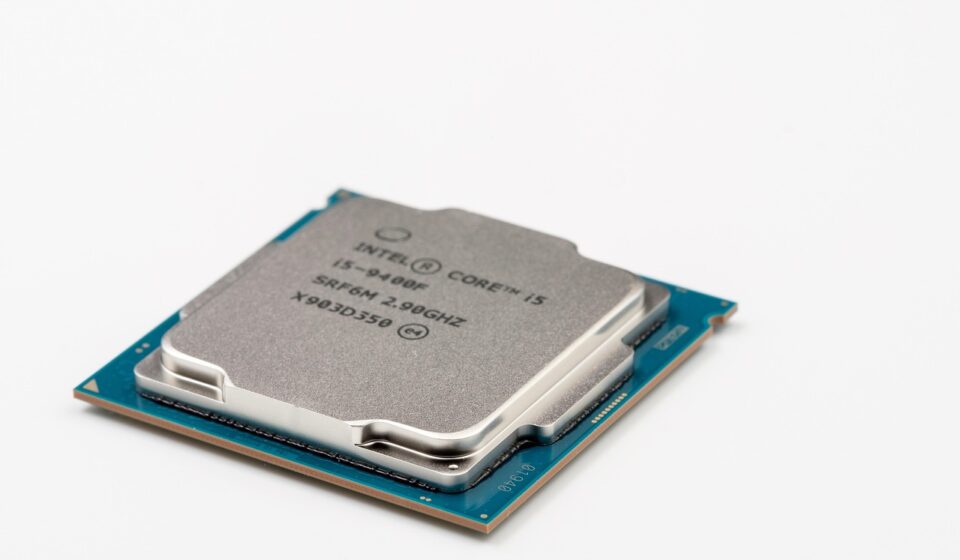
What Intel embedded systems mean in 2026
Intel embedded systems in 2026 are no longer limited to board-level controllers or simple industrial PCs. The portfolio now covers rugged low-power devices, fanless industrial computers, interactive retail systems, machine-vision gateways, medical edge devices and networking appliances. For engineering teams, the decision is no longer a simple Core-versus-Atom comparison. It now involves CPU core mix, integrated GPU capability, NPU availability, thermal limits, industrial temperature ratings, deterministic networking features, operating system support and lifecycle commitments.
In practice, Intel embedded systems are most attractive when a project needs x86 software compatibility, local AI inference, rich I/O, long product availability, or consolidation of several workloads on one edge node. This guide focuses on the selection questions behind those requirements: which Intel processor family fits which embedded workload, what the available documentation supports, and where teams should be careful before locking a design.
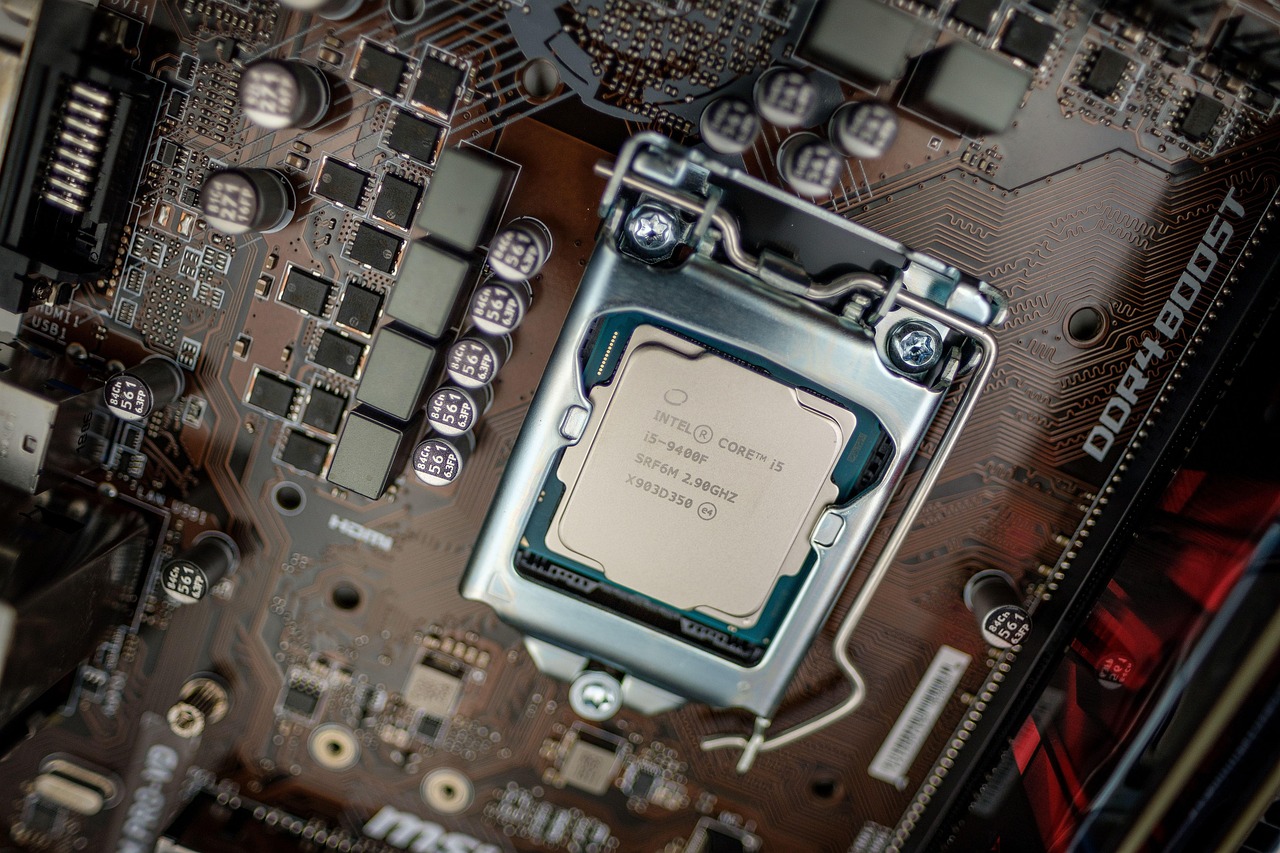
The shift from simple control to local intelligence
Embedded hardware used to sit in cleaner layers. Microcontrollers handled deterministic control, industrial PCs handled supervision, and cloud infrastructure handled analytics. That separation is less reliable today. Factory inspection systems, retail cameras, robotic cells and medical instruments increasingly need local inference, fast image processing and secure connectivity without sending every frame or signal to a remote data center.
Intel’s current embedded and edge messaging reflects this shift. Its public product pages group processors around edge AI, graphics, industrial control, medical devices, retail systems and network infrastructure. That does not mean every embedded project needs a high-end processor. It does mean designers should define the workload before choosing the chip: Is the system reading sensors, decoding video, running a neural network, driving multiple displays, hosting virtualized services, or coordinating time-sensitive motion?
The key design question is not whether a processor is powerful in general. It is whether the platform can deliver enough sustained performance within the thermal, reliability, certification and product-lifecycle limits of the finished device.
Current Intel processor families for embedded and edge designs
The following comparison summarizes major Intel platform choices commonly relevant to embedded systems as of September 2026. Exact features remain SKU-specific, so product pages, datasheets and vendor board documentation should be checked before a design freeze.
| Intel platform | Typical embedded role | Notable source-backed details | Design implication |
|---|---|---|---|
| Intel Core Ultra processors for Edge | Edge AI, vision, analytics, advanced HMI and compact workstation-class systems | Intel lists Q1 2026 edge SKUs with 8, 12 or 16 cores, integrated Intel Graphics or Intel Arc B370/B390 GPU options, and select embedded or industrial use conditions. | Best considered when local AI, graphics and mixed CPU/GPU/NPU workloads matter more than minimum cost. |
| Intel Core processors for Edge and Embedded | Mainstream industrial PCs, retail systems, medical devices, digital signage and socketed edge platforms | Intel describes Core Series 3 as offering hybrid CPU, NPU and GPU acceleration with up to 40 platform TOPS in a 10–28W envelope. Its Core edge pages also emphasize long-life availability and Windows IoT/Linux support on supported platforms. | A flexible middle ground when x86 compatibility, integrated graphics, moderate AI and lifecycle planning are all important. |
| 13th and 14th Gen Intel Core edge platforms | Socketed embedded systems, workload consolidation, industrial control, kiosks and upgradeable edge PCs | Intel product briefs describe performance hybrid architecture, DDR5 and PCIe 5.0 support on relevant platforms, plus Intel TCC and TSN support on select SKUs. | Useful when upgradeability, mature board ecosystems and broad software compatibility outweigh the appeal of the newest edge AI silicon. |
| Intel Atom x7000RE Series | Rugged low-power industrial devices, machine vision nodes, AMRs, control gateways and fanless systems | Intel’s Atom x7000RE product brief lists up to eight E-cores, 6W–12W processor base power, BGA packaging, IBECC memory support, up to nine PCIe 3.0 lanes, 2.5GbE, TCC, TSN, industrial use conditions and up to 10-year long-life availability. | Often a strong fit for sealed, low-power, harsh-environment equipment that still needs PC-class software and edge inference capability. |
| Intel Xeon 6 for networking and edge | Edge servers, network appliances, telecom infrastructure and heavier consolidated workloads | Intel positions Xeon 6 for networking and edge around performance per watt, memory bandwidth and built-in accelerators. | Appropriate when the embedded system behaves more like a compact edge server than a device controller. |
How to choose an Intel embedded platform
Start with workload boundaries
A sound platform decision starts with workload definition. A vision inspection system may need camera ingest, preprocessing, AI inference, result logging and a user interface in the same enclosure. A robotic controller may put more weight on deterministic response and networking. A smart kiosk may need graphics, video decode, remote management and secure boot more than peak AI throughput. These differences point to different Intel families.
Core Ultra is generally the stronger candidate when the bill of materials can justify integrated AI and graphics capability. Atom x7000RE is attractive when power, fanless design and rugged operation are the main constraints. Core and Core Series platforms sit between those options, especially where mature industrial PC form factors and operating system support matter.
Do not treat family names as guarantees
Embedded procurement should be SKU-specific. Industrial temperature ratings, long-life availability, TCC, TSN, memory type, ECC-like protection, GPU configuration and operating system validation can differ within the same broad processor family. Intel documentation often uses qualifiers such as select SKUs, supported platforms or eligible options. Those qualifiers belong in the design review and purchasing specification, not in a footnote.
Thermal design is a system problem
Processor base power is only one part of embedded thermal planning. Sustained workload, ambient temperature, enclosure material, airflow, dust, vibration, display output and attached accelerators all matter. A processor that looks efficient on paper may throttle in a sealed enclosure if the mechanical design is weak. Conversely, a modest Atom or Core Series design can perform well when the system is tuned for sustained operation rather than short benchmark bursts.
Software, OS support and AI toolchains
Software support is one reason x86 remains relevant in embedded systems. Many industrial and medical applications depend on Windows IoT, Linux distributions, legacy drivers, field-service tools or existing x86 code. Intel’s Windows IoT support table is useful, but it includes an important caveat: Intel states that the list reflects Intel internal testing, while actual OS support comes from the operating system vendor. That distinction matters for regulated or long-life deployments.
For recent platforms, Intel’s public support information lists Windows 10 IoT Enterprise LTSC 2021 and Windows 11 IoT Enterprise LTSC 2024 coverage across several Core Ultra, Core and previous-generation Core families. Intel’s Core edge pages also describe Linux support for relevant platforms. The practical step is to confirm the exact OS image, kernel, driver package and update policy with the module or system vendor, rather than relying only on the processor brand.
AI software planning also needs detail. OpenVINO is Intel’s primary toolkit for optimizing and deploying AI inference across Intel CPUs, GPUs and NPUs. It can simplify portability across Intel hardware, but teams still need to validate the actual model, precision mode, driver stack and latency target. GPU and NPU acceleration may require additional drivers or specific platform configuration. For production systems, a successful demo on a development kit should be treated as the start of validation, not the end.
Real-time, reliability and industrial constraints
Real-time behavior is often misunderstood in Intel embedded systems. Intel TCC and TSN can help with time coordination and time-sensitive networking on supported platforms, and they are relevant to robotics, industrial motion, inspection timing and coordinated machine control. Hardware features alone, however, do not guarantee deterministic behavior. BIOS settings, operating system choice, real-time extensions, network switches, driver versions and application scheduling all influence final performance. See also: BUYING GUIDES.
Reliability features also need precise interpretation. Intel Atom x7000RE documentation, for example, discusses industrial use conditions, extended temperature operation, In-Band Error Correction Code memory support, Intel Boot Guard and Platform Firmware Resilience. These features are valuable for industrial devices, but they do not remove the need for board-level validation, power integrity testing, environmental testing and field-service planning.
Lifecycle is another constraint. Intel documents up to 10-year availability for several embedded-oriented platforms, but availability should be confirmed through the supply chain for the exact SKU and module. A long-life processor does not automatically mean that a carrier board, memory component, camera sensor or wireless module will remain unchanged for the same period.
Where Intel embedded systems fit best, and where alternatives may win
Intel-based embedded platforms are strongest when the application benefits from x86 compatibility, mature operating systems, integrated graphics, AI software tooling, broad industrial PC ecosystems and remote manageability. They are often a natural fit for retail analytics, machine vision, digital signage, medical imaging, industrial gateways, network security appliances and robotics edge controllers.
| Use case | Likely Intel fit | Key reason |
|---|---|---|
| Retail signage and checkout vision | Core, Core Ultra or Core Series 3 | Graphics, AI inference and application logic can often run on one compact system. |
| Factory visual inspection | Core Ultra, Atom x7000RE or Core edge platforms | Camera ingest, inference and industrial I/O can be matched to performance and power needs. |
| Autonomous mobile robots | Atom x7000RE or Core Ultra | Low-power rugged compute or higher AI capability may be selected depending on autonomy level. |
| Medical edge devices | Core Series, Core Ultra or Atom | Long lifecycle, OS support and data integrity considerations often matter as much as raw speed. |
| Network appliance or edge server | Xeon 6 or higher-end Core | Throughput, memory bandwidth, virtualization and accelerators become more important. |
| Simple sensor node or basic control loop | Often not Intel | An MCU or low-cost Arm SoC may be cheaper, smaller and lower power. |
Alternatives may win when a device has strict micro-watt or milli-watt power limits, very low bill-of-materials targets, hard real-time control better served by an MCU or FPGA, or AI workloads that require a discrete accelerator. The strongest embedded designs are not brand-driven. They match the computing architecture to the operating environment and business lifecycle.
Procurement checklist for engineering teams
Before committing to an Intel embedded system, engineering and sourcing teams should verify the following items in writing:
- Exact processor SKU, not only the family name.
- Launch quarter, lifecycle status and expected availability through the product’s service life.
- Industrial temperature, use-condition and sustained-load assumptions.
- Processor base power, cooling method and enclosure-level thermal margin.
- Memory type, IBECC or ECC requirements, storage endurance and replaceability.
- Camera, display, PCIe, Ethernet, USB and fieldbus requirements.
- Supported Windows IoT or Linux version, including driver and update policy.
- OpenVINO model compatibility, target precision and CPU/GPU/NPU mapping.
- BIOS, secure boot, TPM, Boot Guard, firmware update and recovery requirements.
- TCC, TSN or other timing features needed for deterministic behavior.
- Supplier change-notification process for boards, modules and peripherals.
For more coverage of processors, edge devices and industrial computing trends, browse our embedded systems section.
Frequently asked questions
What are Intel embedded systems?
Intel embedded systems are devices or edge computers built around Intel processors and supporting chipsets, modules or boards for dedicated applications. They may run industrial control software, AI inference, imaging, signage, medical applications, network services or gateway workloads. The embedded value comes from the full platform: processor, I/O, software support, lifecycle, thermals and reliability features.
Are Intel Core Ultra processors suitable for embedded AI?
Yes, in the right design. Intel positions Core Ultra edge processors for AI, graphics and advanced edge workloads, and current public product pages list 2026 Core Ultra edge SKUs with integrated graphics options including Intel Arc variants. Suitability still depends on the model, latency target, thermal design, driver stack and production validation.
Is Intel Atom x7000RE only for low-end embedded devices?
No. Atom x7000RE is low power, but it is aimed at rugged edge and industrial use cases rather than only basic computing. Intel’s product brief highlights up to eight E-cores, fanless-friendly 6W–12W base power, industrial use conditions, TCC, TSN and AI-related features such as Intel DL Boost and OpenVINO support.
Do Intel embedded processors guarantee real-time performance?
No processor family guarantees real-time performance by name alone. Intel TCC and TSN can support time-sensitive applications on selected platforms, but deterministic behavior must be validated at the system level with the selected OS, BIOS settings, drivers, networking hardware and application workload.
Should a design use Intel Core, Core Ultra, Atom or Xeon?
Choose Atom when rugged low-power operation is the priority, Core when mainstream x86 edge computing and graphics are needed, Core Ultra when integrated AI and graphics performance are central to the design, and Xeon when the embedded system is closer to an edge server or network infrastructure platform. The final decision should always be based on exact SKU features and system-level validation.