How to choose a hotspot device for reliable mobile connectivity
A hotspot device is a portable cellular router that turns a 4G LTE or 5G mobile connection into a private Wi-Fi network for laptops, tablets, cameras, handheld terminals, and other connected hardware. The right model is not simply the one with the highest advertised speed. Buyers need to check network support, plan limits, Wi-Fi generation, battery life, antenna design, security controls, and the number of users or devices that will connect at the same time. For occasional travel, a basic LTE model may still be practical. For hybrid work, field operations, failover internet, and bandwidth-heavy use, a 5G hotspot with modern Wi-Fi, USB-C power, and solid management settings is usually a better fit.
What a hotspot device does differently from phone tethering
Phone tethering and a dedicated hotspot device address the same basic need, but they are designed around different priorities. A smartphone is built for calls, messaging, apps, cameras, and personal use. Its hotspot feature is convenient, but it also shares the phone battery, thermal capacity, cellular radio, and data plan with everything else running on the device.

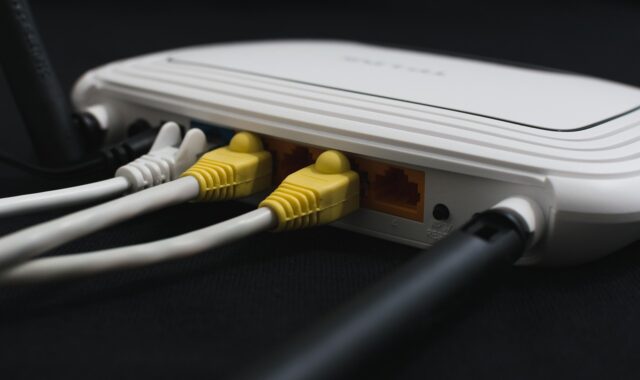
A dedicated hotspot device is more focused. It typically includes a cellular modem, SIM or eSIM support, a rechargeable battery, Wi-Fi radios, a small display or app-based dashboard, and network controls. Many models support more simultaneous client devices than a phone hotspot. Some also include Ethernet, external antenna ports, VPN passthrough, guest networks, or enterprise-style administration features.
That is why hotspot devices remain relevant even as smartphones improve. They are useful when several people need one connection, when a laptop must stay online for hours, when preserving phone battery life matters, or when a business wants a separate line for mobile operations. Readers following wider network trends can also track related coverage in the CONNECTIVITY section.
The main buying factors that matter in 2026
The hotspot market is no longer a simple 4G versus 5G comparison. A useful evaluation should cover the cellular network side, the local Wi-Fi side, power design, subscription model, and security configuration.
Cellular bands and carrier compatibility
The first question is whether the device supports the bands used by the carrier and the locations where it will operate. A 5G hotspot that lacks the right mid-band, low-band, or roaming support may perform worse than a well-matched LTE unit. For U.S. buyers, compatibility should be checked by exact model number, not only by terms such as 5G or unlocked.
Carrier certification also matters. Some unlocked devices can accept a SIM but may not receive full network features, firmware support, or optimal provisioning. In business and industrial settings, that can affect reliability more than peak speed claims.
4G LTE, 5G sub-6, and mmWave
LTE hotspots remain useful for email, browsing, payment terminals, lightweight field work, and backup connectivity. 5G sub-6 GHz models generally provide better capacity and lower latency where coverage is strong, especially in urban and suburban areas with mid-band deployment. mmWave can deliver very high speeds, but coverage is much more localized and usually requires close range to compatible network infrastructure.
The FCC’s 2026 broadband deployment analysis shows why real-world coverage needs careful evaluation. The agency continued to analyze 5G-NR availability using a 35/3 Mbps threshold while also reviewing lower mobile deployment thresholds. That does not mean every hotspot will deliver those speeds in every location. It means coverage and performance remain location-specific measurements, not universal promises.
Wi-Fi generation and local device capacity
The cellular connection is only half of the user experience. The hotspot also has to distribute that connection over Wi-Fi. Wi-Fi 6 remains a practical baseline for many current hotspot devices because it handles crowded device environments better than older Wi-Fi standards. Wi-Fi 6E adds access to the 6 GHz band where both the hotspot and client device support it. Wi-Fi 7, introduced through the Wi-Fi Alliance’s certification program in January 2024, adds features such as Multi-Link Operation, 4K QAM, and wider channel options, but the benefit depends on compatible client hardware and local radio conditions.
For a hotspot device, Wi-Fi 7 should not be treated as automatically necessary. It is most useful when the cellular modem, data plan, and client devices can use the extra local wireless capability. A premium Wi-Fi radio will not fix a weak cellular signal or a throttled plan.
A practical comparison table for different use cases
Instead of asking which hotspot device is best overall, buyers should start with the use case. The table below summarizes the features that usually matter most.
| Use case | Recommended focus | Why it matters |
|---|---|---|
| Occasional travel | LTE or entry 5G, compact size, simple plan | Keeps cost and complexity down while improving privacy compared with unknown public Wi-Fi. |
| Hybrid work | 5G sub-6 support, strong battery, USB-C, Wi-Fi 6 or better | Video meetings and cloud apps need stable uplink, not just strong download speed. |
| Family or group sharing | Higher client limit, dual-band Wi-Fi, data usage display | Multiple devices can quickly expose weak Wi-Fi radios and restrictive data caps. |
| Small business backup | Ethernet or router compatibility, external antennas, remote management | Failover use depends on quick deployment and predictable administration. |
| Field operations | Rugged build, long battery, removable battery or vehicle power | Power and durability may be more important than peak speed. |
| International use | Unlocked model, broad bands, eSIM or flexible SIM support | Roaming cost and band support can determine whether the device is practical abroad. |
Data plans, throttling, and the hidden limits behind speed claims
A hotspot device is only as useful as the data plan behind it. Marketing language often highlights network generation or theoretical maximum speed, but everyday performance is shaped by plan priority, data caps, network congestion, roaming rules, and hotspot-specific restrictions. Some phone plans include hotspot data as a limited bucket, while dedicated data plans may offer higher allowances or different management options.
Buyers should read the plan terms before comparing hardware. Key questions include whether the plan has a high-speed data limit, whether video traffic is managed differently, whether usage is deprioritized after a threshold, and whether the SIM is allowed in a dedicated hotspot. For business users, pooled data, static IP options, or device management portals may be more valuable than the lowest monthly price.
Latency also deserves attention. A low-latency connection matters for video calls, remote desktop, point-of-sale systems, gaming, and cloud dashboards. 5G can reduce latency under good conditions, but signal quality, network load, backhaul, and server location still matter. This is why field testing in the actual work location is more reliable than relying on coverage maps alone. See also: BUYING GUIDES.
Security settings every hotspot device should have
A dedicated hotspot can provide more control than public Wi-Fi, but it is not secure by default unless it is configured properly. The FTC’s public Wi-Fi guidance emphasizes encryption and updated software, while its home Wi-Fi guidance recommends WPA3 Personal or WPA2 Personal for network encryption. The same principles apply to portable hotspots.
- Use WPA3 Personal when available. If older devices cannot connect, WPA2 Personal is still preferable to open access.
- Change the default admin password. The Wi-Fi password and administrator password should not be the same.
- Disable WPS if the setting exists. Convenience features can reduce security when they allow easier pairing.
- Keep firmware updated. Updates can fix modem, Wi-Fi, and management interface vulnerabilities.
- Use a guest network for shared access. This helps separate personal or business devices from temporary users.
- Monitor connected devices. A small display or admin app should make it easy to remove unknown clients.
For sensitive work, a VPN or managed secure access service may still be required. A hotspot protects the local Wi-Fi link when configured correctly, but it does not replace endpoint security, encrypted applications, or company access policies.
When a hotspot device is worth buying and when it is not
A hotspot device is worth buying when mobile connectivity is frequent, shared, or operationally important. It is also useful when a home or office needs a backup connection during outages, when a remote worker needs a separate data plan, or when connected hardware must stay online without depending on a user’s phone.
It may not be worth buying if usage is rare and a phone plan already includes enough tethering data. It may also disappoint users who expect fixed broadband performance in locations with weak cellular service. In that case, the better investment may be an external antenna-supported cellular router, a fixed wireless access plan, or a different carrier rather than a more expensive pocket hotspot.
There is also a middle category. Some users start with phone tethering, then upgrade once they understand their data consumption and coverage pattern. This staged approach avoids buying premium hardware before confirming whether cellular internet can support the real workload.
A simple checklist before choosing a model
Before purchasing or deploying a hotspot device, use this checklist to avoid the most common mismatches:
- Confirm the carrier, bands, and model-level compatibility for the main service area.
- Check whether the plan officially supports dedicated hotspot hardware.
- Estimate monthly data needs for video calls, cloud storage, streaming, app updates, and shared users.
- Choose LTE, 5G sub-6, or mmWave based on real coverage rather than labels.
- Look for Wi-Fi 6 or better if many modern devices will connect.
- Verify battery life expectations under realistic load, not standby conditions.
- Prefer USB-C charging if the device will be used with laptops, power banks, or vehicles.
- Review security settings for WPA3 or WPA2, admin password changes, guest access, and firmware updates.
- For business continuity, test failover behavior before relying on the device during an outage.
The best hotspot device is not always the most expensive model. It is the one that matches the carrier network, data plan, user load, and operating environment with the fewest weak points.
Frequently asked questions
Is a hotspot device faster than using a phone hotspot?
It can be, but not always. A dedicated hotspot may have a better modem, stronger thermal design, more Wi-Fi capacity, and support for more connected devices. However, speed still depends on carrier coverage, signal quality, data plan priority, congestion, and the device’s supported bands.
Do I need a 5G hotspot device?
A 5G hotspot is useful if you work in areas with strong 5G coverage, need better capacity, or share the connection with several devices. If your main locations have limited 5G service or your tasks are light, a reliable LTE hotspot may still be sufficient and less expensive.
Can a hotspot replace home internet?
For some users, yes, especially as backup internet or in locations without good wired broadband. For heavy streaming, large downloads, gaming, or many household users, plan limits and network congestion can make a pocket hotspot less suitable than fixed broadband or a dedicated fixed wireless access service.
How many devices can connect to a hotspot device?
The limit varies by model. Entry-level units may support a modest number of clients, while premium hotspots often support more. The practical limit is also affected by the data plan, Wi-Fi quality, and what each connected device is doing.
Is a personal hotspot device safer than public Wi-Fi?
A properly configured personal hotspot gives the user more control over the network name, password, encryption, and connected devices. It is generally easier to manage than unknown public Wi-Fi, but users should still enable strong encryption, update firmware, and use secure apps or VPN tools when needed.