Eve Energy smart plug and Matter over Thread what buyers should know
Quick verdict for smart home buyers
The Eve Energy smart plug is a good fit if you are building a Matter-over-Thread smart home and want a plug-in switch that can also report power use. It is less compelling if you only need a low-cost Wi-Fi plug, do not have a compatible Thread border router, or expect guaranteed energy graphs in every platform app. As of October 2026, the practical buying question is not whether Eve Energy supports Matter. It is whether your Apple Home, Google Home, Alexa, SmartThings, Home Assistant, or Homey setup exposes the features you plan to use.
For buyers comparing smart home hardware, Eve Energy is best viewed as both a controllable outlet and a small part of the Thread network. You can explore more connected-device coverage in our Smart Devices section.
What the Eve Energy smart plug actually is
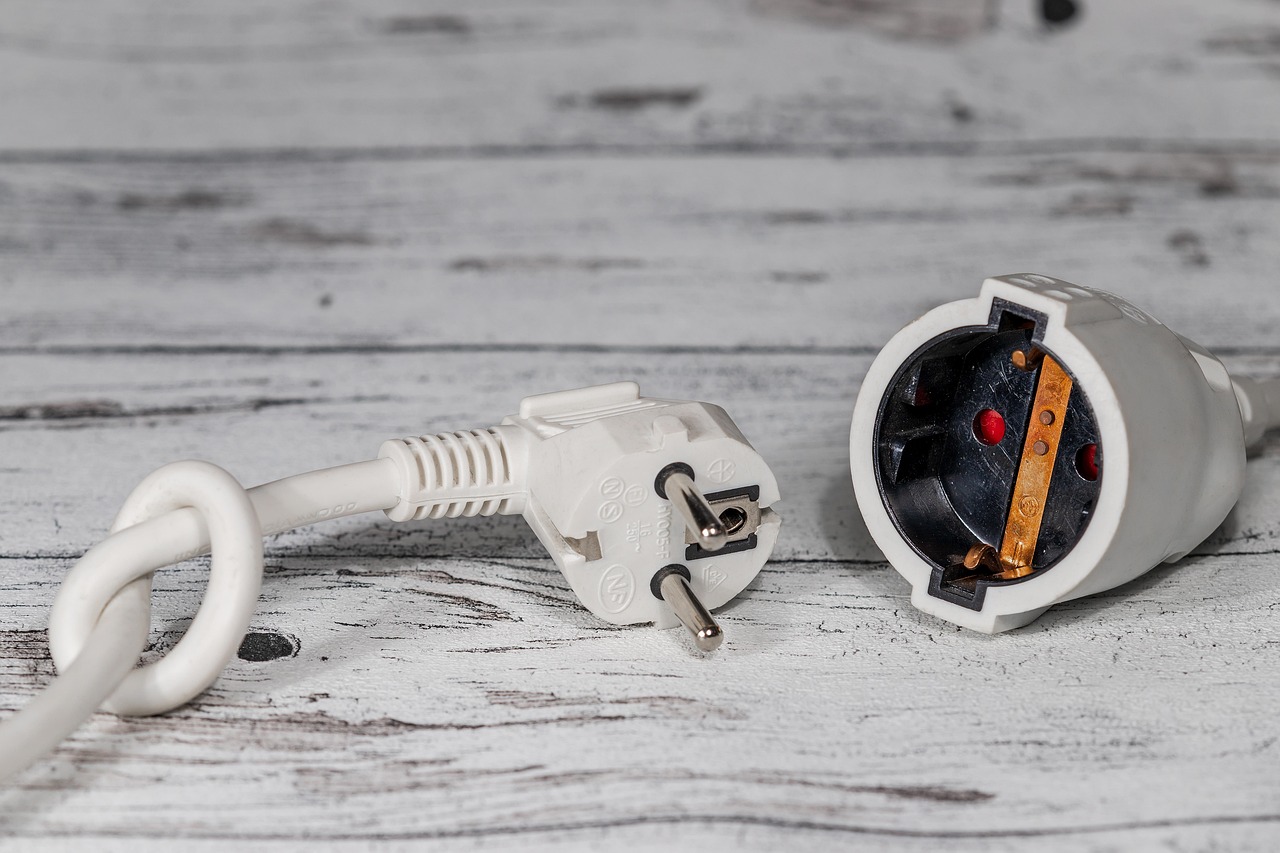
Eve Energy is a plug-in smart plug and power meter. A lamp, fan, humidifier, coffee maker, or similar appliance plugs into Eve Energy, and Eve Energy plugs into the wall. The plug can then switch the connected device on or off through an app, voice assistant, scene, automation, built-in schedule, or the physical button on the device.
Do not confuse the plug-in Eve Energy smart plug with Eve Energy Outlet, which is an in-wall receptacle replacement, or Eve Energy Outdoor, which is designed for outdoor use in supported regions. The standard Eve Energy smart plug is the product most buyers mean when they search for “eve energy smart plug.” It is sold in region-specific versions because outlet shapes, voltage, plug types, and load ratings vary by market.
- Core function: on/off control for a connected device.
- Power metering: designed to report power consumption, with visibility depending on platform support.
- Wireless connection: Thread, not traditional Wi-Fi.
- Smart home standard: Matter, allowing connection to multiple supported ecosystems.
- U.S. and Canada electrical rating: Eve lists AC 120 V, 60 Hz, maximum 15 A / 1,800 W for the North American version.
- Physical control: the green LED area also works as an onboard switch, according to Eve’s support documentation.
Eve’s current product documentation focuses on local smart home control, Thread networking, and privacy. The company says Eve Energy works without an Eve cloud account, subscription, or separate registration. That matters for buyers who want to avoid cloud-dependent smart plugs, although remote access still depends on the hub and platform you choose.
Why Matter over Thread changes the buying decision
Matter and Thread are often discussed together, but they solve different problems. Matter is the smart home application standard that helps devices work across major ecosystems. Thread is the low-power mesh network used for communication between compatible devices and a border router. Eve Energy combines both: it is a Matter device that communicates over Thread.
The Connectivity Standards Alliance’s certification listings identify Eve Energy as a smart plug and power meter with Matter and Thread. That certification confirms the product belongs to the Matter device category, but it does not mean every app exposes every advanced function in the same way. Matter improves interoperability; it does not make all platform interfaces identical.
Thread is where the plug becomes more than a basic remote switch. Eve describes Eve Energy as a Full Thread Device. Because it is mains powered and normally available, it can relay Thread data packets for other Thread accessories. In practical terms, a well-placed Eve Energy can help strengthen a Thread mesh for battery sensors, switches, and other connected devices nearby.
This is also the main trade-off. A Wi-Fi smart plug usually joins your router directly and often works through the manufacturer’s cloud app without an additional smart home hub. Eve Energy requires a compatible hub that acts as both a Matter controller and a Thread border router. If you already own the right hub, Thread can be cleaner and more scalable than adding many small Wi-Fi devices. If you do not, the total cost and setup complexity are higher.
Compatibility checklist by platform
Before buying Eve Energy, check the platform you plan to use. The product may support a broad set of ecosystems, but Matter-over-Thread still depends on the correct hub hardware and current software.
| Platform | What to check | Buyer note |
|---|---|---|
| Apple Home | A Thread-enabled Apple home hub, such as HomePod mini, HomePod 2, or a compatible Apple TV 4K model. | Apple’s support documentation says Thread-based accessories require a Thread-enabled home hub or compatible border router. Eve says Apple Home automations can combine Matter and HomeKit accessories. |
| Google Home | A Google or Nest device that supports Matter and includes Thread border router capability. | Google documentation lists devices such as Nest Hub 2nd gen, Nest Hub Max, Nest Wifi Pro, and Google TV Streamer 4K among Thread-capable options. Verify the current regional feature list before buying. |
| Amazon Alexa | An Alexa setup with a Thread-enabled Echo or eero device that supports Matter-over-Thread. | Amazon developer documentation lists Thread-enabled Echo and eero devices as Thread border routers. Not every Echo speaker has Thread, so model checking is essential. |
| Samsung SmartThings | A compatible SmartThings hub or controller with Matter and Thread support. | Eve’s product page notes that energy management features are currently available on Samsung SmartThings, making it a notable option for users focused on energy data. |
| Home Assistant | The Matter integration plus a working Thread border router or Thread radio setup. | Home Assistant’s Works with Home Assistant listing includes Eve Matter devices, including regional Eve Energy models, and describes local operation through Matter. |
The main point is straightforward: “supports Matter” does not mean “works with any hub in the house.” For a Thread product, the hub must specifically support Thread border routing, and the platform must support Matter commissioning and control.
Energy monitoring is the feature to verify first
Energy monitoring is one of Eve Energy’s main selling points, but it is also the feature buyers should verify most carefully. Eve describes the product as a Smart Plug & Power Meter and says users can track power consumption through the Eve app or through the energy measurement feature of a chosen platform. The exact experience varies by app and ecosystem.
The standards picture has improved. On May 8, 2024, the Connectivity Standards Alliance announced Matter 1.3, adding energy reporting capabilities such as instantaneous power, voltage, current, and energy consumption over time. Later Matter releases continued to expand the energy management story. Even so, standards adoption, device firmware, controller support, and app interface support do not always arrive at the same time.
| Energy use case | What to verify before purchase |
|---|---|
| Seeing whether a device is on or off | This is the basic smart plug function and should be broadly available once the plug is paired correctly. |
| Viewing real-time watts or accumulated kWh | Confirm that your preferred app exposes Eve Energy’s power meter data, not just the on/off switch. |
| Estimating operating cost | Eve says the Eve app can use an entered electricity rate for cost insight. Treat this as an estimate, not a utility-grade bill. |
| Triggering automations from power draw | Check whether your platform exposes power readings as automation triggers and how quickly those readings update. |
| Long-term energy dashboards | SmartThings and Home Assistant are stronger candidates to investigate because Eve specifically references energy management support there. |
This distinction is important. If you only want a plug that turns a lamp on at sunset, energy reporting is a bonus. If you want to detect when a washing machine finishes or identify standby power waste, energy data visibility and automation support should be the first things you confirm. See also: BUYING GUIDES.
Setup and reliability points that matter in real homes
A good Matter-over-Thread experience starts before you scan the setup code. These checks help prevent the most common gap between buyer expectations and day-to-day performance.
- Identify the generation. Eve’s accessory identification page distinguishes older Bluetooth models, Thread-capable models, and Matter versions. The U.S. and Canada fourth-generation Matter version is listed as introduced in 2023 and ships with Matter over Thread. Earlier Thread-capable fourth-generation units may require a Matter firmware upgrade, while older Bluetooth-only generations should not be treated as equivalent.
- Place the Thread border router sensibly. Thread is a mesh, but range still depends on building materials, layout, and the position of powered devices. If a plug is far from the hub and other Thread routers, setup or response can suffer.
- Keep the Matter code accessible. Matter setup depends on a pairing code or QR code. Save the documentation or code image in a secure place, especially if you plan to add the plug to more than one ecosystem later.
- Respect the electrical rating. The North American version is rated by Eve at 15 A / 1,800 W. Do not use any smart plug beyond its regional load rating, with damaged cords, in wet locations unless the product is rated for that use, or with appliances that the manufacturer excludes.
- Know the reset method. Eve’s support page says the plug can be reset by pressing the reset button until the LED flashes red. This is useful when moving the device to a new home or recovering from a failed pairing attempt.
Reliability also depends on the broader ecosystem. Matter is designed for multi-platform control, but firmware updates, Thread network credentials, and multi-admin setup can still vary by controller. In a household using several platforms, it is usually more practical to set up the plug first in the ecosystem with the strongest firmware and energy-feature support, then add secondary platforms afterward.
How Eve Energy compares with simpler Wi-Fi smart plugs
Eve Energy is not automatically the right choice for every outlet. Its value is strongest when Thread, Matter, local control, and power measurement are part of the smart home plan.
| Buying factor | Eve Energy smart plug | Typical Wi-Fi smart plug |
|---|---|---|
| Network | Thread mesh via a border router | Direct 2.4 GHz Wi-Fi in many cases |
| Hub requirement | Requires a compatible Matter controller and Thread border router | Often no hub, but may depend on cloud service |
| Ecosystem flexibility | Matter can support multiple platforms when set up correctly | Varies by brand and integrations |
| Privacy model | Eve states no Eve cloud, no subscription, and no registration | Varies widely by manufacturer |
| Energy monitoring | Built in, but platform display and automation support vary | Often available in the brand app; cross-platform support varies |
| Best fit | Matter/Thread homes, local-control buyers, users who want a Thread router node | Simple one-off use, budget setups, renters without a smart home hub |
If you are buying one plug for one lamp and do not plan to build a Matter home, a cheaper Wi-Fi plug may be easier. If you are building around Apple Home, Google Home, Alexa, SmartThings, or Home Assistant with Thread, Eve Energy becomes more strategic because it can control a device and improve Thread mesh coverage.
Who should buy it and who should skip it
Consider Eve Energy if you already own, or are willing to buy, a compatible Matter-and-Thread hub. It is also a strong candidate if you want local operation, dislike manufacturer cloud accounts, need a plug that participates in Matter, or want power data for selected appliances.
- Buy it if your home already has a Thread border router and you want a plug that can strengthen the Thread mesh.
- Buy it if you use SmartThings or Home Assistant and energy monitoring is a serious part of your smart home setup.
- Buy it if you want a Matter device that can be shared across supported ecosystems rather than locked to a single brand app.
- Skip it if you do not want to think about hubs, border routers, firmware, or platform feature differences.
- Skip it if you need an outdoor-rated plug or an in-wall receptacle; look at the appropriate Eve Energy Outdoor or Eve Energy Outlet product instead.
- Skip it if your main requirement is guaranteed power-based automation in a platform that does not expose the needed readings.
The balanced view is that Eve Energy is a premium smart plug for buyers who value the direction of Matter and Thread. It is not just a commodity outlet switch, and that is both its strength and its limitation.
Frequently asked questions
Is the Eve Energy smart plug Wi-Fi?
No. The current Eve Energy smart plug uses Thread for its wireless connection. Your Thread border router connects the Thread network to the rest of your smart home network.
Do I need a hub for Eve Energy?
Yes. Eve states that the Matter-enabled Eve Energy requires a hub that supports both Matter controller and Thread border router functionality. Without the right hub, it will not behave like a standard Wi-Fi plug.
Does Eve Energy work with Apple Home and Google Home?
Yes, it is designed to work across major Matter platforms, including Apple Home and Google Home, when the correct hub and software requirements are met. Feature depth can vary by platform, especially for energy monitoring.
Can Eve Energy monitor electricity use?
Yes. Eve Energy is marketed as a smart plug and power meter. However, the way watts, kWh, cost estimates, and automation triggers appear depends on the app and platform you use.
Is Eve Energy suitable for outdoor use?
The standard Eve Energy smart plug should not be treated as an outdoor-rated plug. If you need outdoor control, use a product specifically designed and rated for outdoor conditions, such as Eve Energy Outdoor where available.