Product label design for smart hardware packaging and compliance

Product label design starts with information architecture
Product label design for smart hardware is not only a branding task. A useful label identifies the product, supports safe use, preserves traceability, carries scannable data, and stays legible after shipping, handling, installation, and daily use. The work should start by defining what the label must do before choosing colors, typefaces, icons, finishes, or decorative effects.
Connected devices, wearables, sensors, controllers, chargers, and accessories often have very limited label space, while the information load is high. A layered label system is usually more practical than forcing everything onto one surface: a concise physical product label, a clearer packaging label, scannable data where appropriate, and supporting information in manuals, apps, or on-screen menus when regulations allow it.
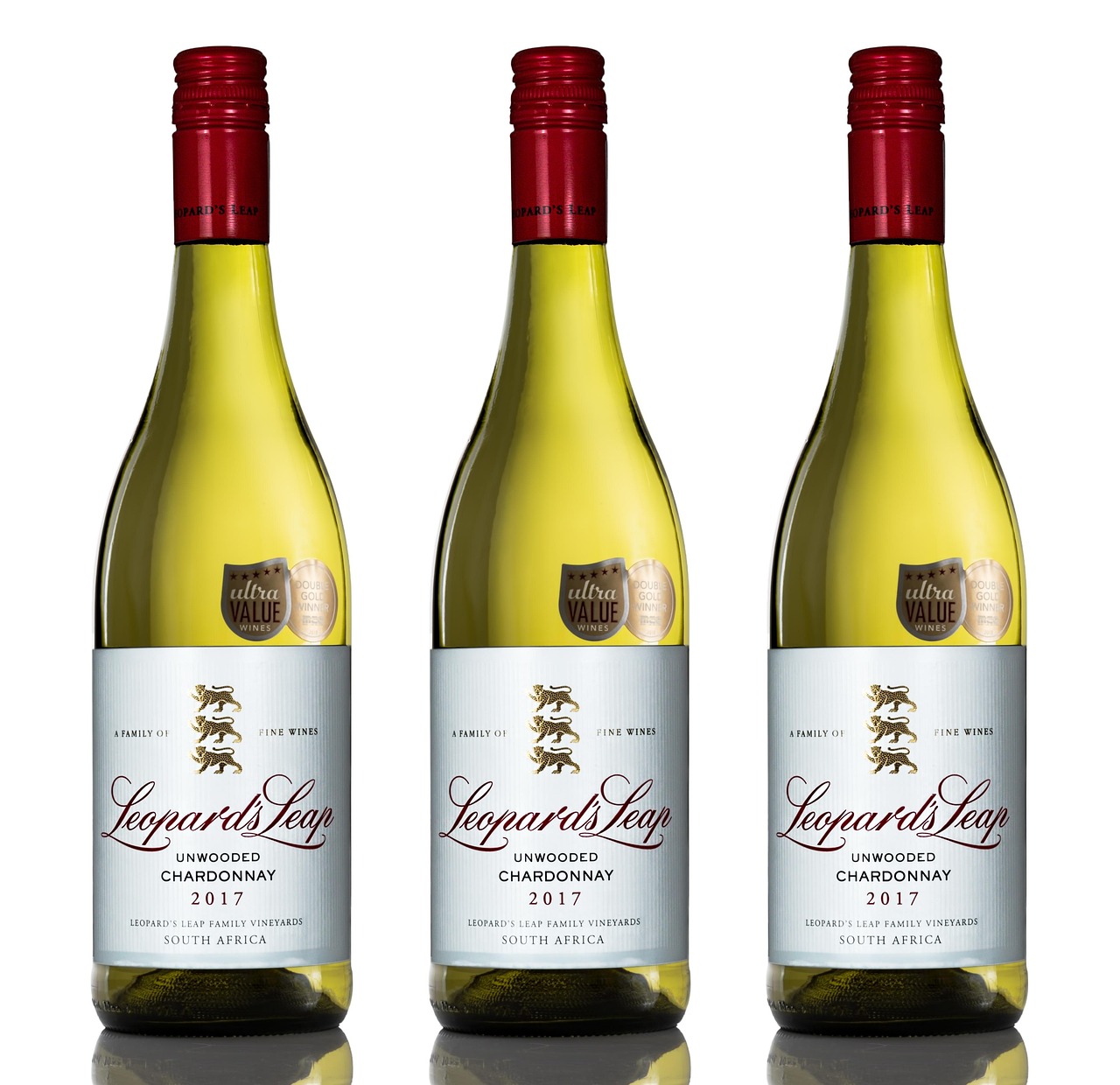
This system should be planned early in product development, not added after industrial design is complete. If the enclosure has no flat area for a durable rating label, or the retail pack has no clear hierarchy for warnings and identifiers, the result is usually a crowded label that is hard to scan or expensive to manufacture. For more product development perspectives, browse the PRODUCT DESIGN category.
What information belongs on a smart hardware label?
The label brief should separate mandatory information from commercial messaging and user-support content. This avoids the common mistake of giving every item the same visual weight. A serial number, electrical rating, safety warning, and product name serve different readers at different moments.
| Information type | Typical purpose | Design implication |
|---|---|---|
| Product identity | Helps users, retailers, service teams, and regulators identify the item | Keep model name, model number, variant, and brand relationships unambiguous |
| Regulatory and conformity marks | Shows required market access or compliance information where applicable | Reserve protected space and verify exact mark rules for each target market |
| Ratings and technical data | Communicates voltage, current, battery, radio, or environmental limits | Use compact tables or aligned rows rather than dense sentence blocks |
| Traceability data | Supports batch control, warranty, recalls, and service history | Pair human-readable numbers with machine-readable codes when space allows |
| Safety warnings | Reduces foreseeable misuse and explains hazards | Use standardized signal words, pictograms, and contrast rather than decorative styling |
| Consumer-facing claims | Explains benefits such as recycled content, connectivity, battery life, or compatibility | Keep claims specific, qualified, and supported by evidence |
For smart hardware, traceability needs particular attention. A consumer may only need a model number, while a repair center may need firmware generation, batch code, serial number, production date, or component version. If all of that content is pushed onto one small sticker, readability suffers. A better structure uses a short physical identifier plus a scannable code that points to controlled product information, while keeping legally required physical information on the product or package where it must remain.
Regulatory and standards inputs shape the design
Product label design should not copy a generic template from another device. Requirements vary by product category, market, age group, radio function, power source, materials, and sales channel. Public references from agencies and standards organizations show how broad the labeling landscape can be.
For consumer packaging in the United States, NIST Handbook 130 includes the Uniform Packaging and Labeling Regulation. NIST states that many products outside the federal Fair Packaging and Labeling Act may still fall under state weights and measures rules. This matters when packaging communicates identity, responsibility, and quantity, not only brand graphics.
For wireless and electronic devices, FCC equipment authorization rules can affect labels, user information, packaging, and electronic labeling. FCC guidance allows qualifying devices with integrated displays, or devices that work with an associated display, to present certain regulatory information electronically. Designers should not assume, however, that an app screen can replace every physical or packaging requirement. The label plan should be confirmed with the compliance engineer before tooling or print release.
For products sold in the European Economic Area, the European Commission describes CE marking as the manufacturer’s declaration that a product meets applicable CE marking requirements. In practice, the label designer needs to know whether the product is within CE scope, what other markings or responsible-party information may be required, and whether the mark can appear on the product, package, instructions, or a combination of locations.
For medical devices, health-related hardware, or products positioned near regulated use cases, the FDA Unique Device Identification system shows how traceability can become a formal requirement. The FDA describes a UDI as including a device identifier and, where applicable, production information. A wellness gadget, diagnostic accessory, or connected device should not borrow medical-style claims or label structures unless its regulatory classification has been evaluated.
For children’s products, the U.S. Consumer Product Safety Commission describes tracking labels as visible, legible, and permanently affixed to the product and packaging to the extent practicable, with identifying information such as manufacturer or private labeler, production location, production date, and batch or run details. A connected toy, child tracker, learning device, or wearable intended for children therefore needs label space considered at the product architecture stage.
Safety signs and durability also draw from established standards. ISO 3864-1 sets design principles for safety colors and safety signs used for accident prevention and hazard communication. ANSI Z535.4 covers product safety signs and labels in the U.S. context, while ANSI Z535.7 addresses product safety information in electronic media. UL 969 is widely used for marking and labeling systems where permanent safety-related information, ratings, and identification must stay attached and legible under defined conditions. These references do not make a label compliant by themselves, but they explain why typography, materials, inks, adhesives, surfaces, and environmental exposure are design decisions rather than afterthoughts.
Build a clear hierarchy before styling the label
A label is usually read in layers. The first layer tells the user what the product is. The second layer explains what matters for safe setup, selection, or handling. The third layer supports service, compliance, and traceability. Good product label design makes these layers easy to follow without overwhelming the reader.
Use the primary display panel for fast recognition
On a retail package, the primary display panel should answer basic shopper questions quickly: product name, category, key compatibility, variant, and any essential differentiator. A smart thermostat, for example, may need compatibility information more urgently than a decorative slogan. A sensor kit may need to state what is included and what hub or app is required. If a claim cannot be understood in a few seconds, it likely belongs on a side panel, comparison chart, insert, or digital support page.
Keep technical panels organized and scannable
Technical panels should favor structure over persuasion. Use aligned fields, consistent units, and predictable labels such as model, input, output, battery, operating temperature, serial number, and manufacturer information. Mixed punctuation, inconsistent abbreviations, and tiny reversed type make labels look less trustworthy and harder to inspect.
Protect warning visibility
Warnings should not compete with lifestyle copy. If a lithium battery, magnet, small part, hot surface, laser, radio function, or installation hazard is relevant, the label should give the warning enough separation to be noticed. Signal words, icons, and color fields should be chosen for comprehension and standards alignment, not novelty.
Plan for 2D codes, digital labels, and connected packaging
Smart hardware labels increasingly connect the physical product to digital product information. A QR code can lead to setup instructions, firmware notes, warranty registration, recycling guidance, accessibility information, or multilingual content. GS1’s Sunrise 2027 initiative aims for broad retail point-of-sale readiness for QR Codes powered by GS1 and other next-generation barcodes, including GS1 DataMatrix, by the end of 2027.
That does not mean every product should remove its UPC or replace every label element immediately. It does mean designers should leave room for a future in which 2D codes carry more product data than a traditional linear barcode. See also: BUYING GUIDES.
The design rule is straightforward: use digital access to add depth, not to hide essentials. If a user needs information before the device is powered, before an app is installed, during a return, or during a safety incident, that information may need to stay visible on the product or package. Digital destinations also need governance. A QR code printed on 200,000 units should not lead to a page that is renamed, deleted, or changed without version control.
For small devices, e-labeling can reduce surface pressure, but it requires careful user access design. The menu path should be easy to find, the information should remain available without a paid account, and packaging or instructions may still need to explain where the information appears. The more critical the information, the less it should depend on battery charge, network access, or a discontinued app.
Material, print, and placement decisions affect performance
A label that looks clean in a design file can fail in use if the substrate, adhesive, ink, coating, or placement is wrong. Smart hardware may face heat, UV exposure, skin oils, cleaning fluids, abrasion, condensation, charging cycles, warehouse humidity, and curved or textured housings. These conditions should be part of the label specification.
Designers should ask four production questions early. First, what surface will receive the label: PC, ABS, aluminum, glass, coated cardboard, powder-coated metal, silicone, or another material? Second, what exposures will the label face: indoor use, outdoor use, sweat, alcohol wipes, heat, cold, vibration, or repeated handling? Third, how will variable data be printed: thermal transfer, laser, digital print, inkjet, or direct part marking? Fourth, what inspection method will confirm legibility, barcode grade, adhesive performance, and color accuracy?
Placement is just as important as material selection. Avoid seams, high-touch grip zones, screw bosses, textured curves, vents, and areas likely to be covered by accessories. A compliance label hidden under a removable battery cover may be acceptable in some designs and unacceptable in others. A barcode wrapped around a radius may scan poorly even if it looks acceptable in a rendering. Before mass production, labels should be tested on production-intent materials, not only on flat proof sheets.
Make sustainability claims specific and supportable
Packaging teams often want labels to communicate recycled content, plastic reduction, recyclable packaging, carbon claims, or lower-impact materials. These claims can help users make choices, but they also create risk when they are broad or vague. The U.S. Federal Trade Commission’s Green Guides emphasize that environmental marketing claims should be truthful, not misleading, and supported by competent and reliable evidence. For label design, that means “made with 80% recycled paperboard” is usually clearer than an unqualified phrase such as “eco-friendly packaging.”
The design should also make the subject of the claim clear. Does the claim refer to the product, the outer box, an insert, a tray, a sleeve, or the shipping carton? If only the packaging is recyclable, the label should not imply that the electronic device is recyclable through normal curbside programs. If recycling availability depends on local facilities, the claim may need qualification. In smart hardware, batteries, circuit boards, magnets, and coatings can make disposal more complex than the front panel suggests.
Clear sustainability labeling does not have to look weak or generic. It can be concise, factual, and brand-consistent. The key is to replace broad virtue language with measurable attributes, disposal instructions, and material identification that a user can act on.
A practical workflow for product label design
A reliable workflow reduces late-stage relabeling, packaging reprints, and compliance surprises. The following sequence works well for smart hardware projects:
- Create a label requirement matrix. List every target market, product variant, accessory, package format, and sales channel. Separate mandatory, recommended, and optional content.
- Confirm regulatory inputs before visual design. Ask engineering, compliance, legal, and operations teams to identify marks, warnings, technical ratings, serial structures, country-of-origin text, age grading, and traceability needs.
- Map the label ecosystem. Decide what belongs on the device, retail box, shipping carton, manual, app, website, and service database.
- Design the hierarchy. Build layouts around reading priority, not internal department preference. Keep user-critical information visible and group technical data logically.
- Prototype at real size. Print labels at final dimensions, apply them to production-like surfaces, scan codes, photograph them under poor light, and check readability at the expected viewing distance.
- Validate materials and print methods. Test adhesion, abrasion, chemicals, temperature, humidity, and barcode quality based on actual use conditions.
- Control variable data. Define serial number rules, batch formats, QR destinations, database ownership, and artwork version control before production release.
- Review before every market expansion. A label approved for one country, channel, or product class may not be adequate for another.
This workflow treats the label as part of the product system rather than as a sticker added at the end. It also helps teams avoid two costly extremes: overloading the label with every possible message, or reducing it so far that essential information is missing.
Frequently asked questions
What makes product label design different for smart hardware?
Smart hardware labels often need to combine brand identity, electrical ratings, wireless identifiers, serial numbers, safety warnings, sustainability information, and digital access points in a small space. The design must support both human reading and machine scanning while surviving the product’s expected environment.
Can a QR code replace required product label information?
Not by default. A QR code can support setup, registration, manuals, multilingual information, and extended product data, but required information may still need to appear physically on the product, package, or instructions. Whether digital or electronic labeling is acceptable depends on the product category, market, and applicable rule.
How early should label design begin?
Label planning should begin during industrial design and packaging structure development. Waiting until the enclosure and package are finalized can leave too little flat space for durable labels, regulatory marks, warnings, and scannable codes.
What is the most common label design mistake?
The most common mistake is treating the label as a graphics task after compliance, engineering, packaging, and operations decisions have already been made. That often leads to crowded layouts, weak hierarchy, poor barcode placement, and expensive late-stage changes.
How can a label look minimal without losing important information?
Minimal design works when information is layered intelligently. Keep the product-facing label concise, use the package for decision support, reserve technical panels for structured data, and use digital content for depth. Minimal should mean organized, not incomplete.